
Recently in ISG

Recently in ISG
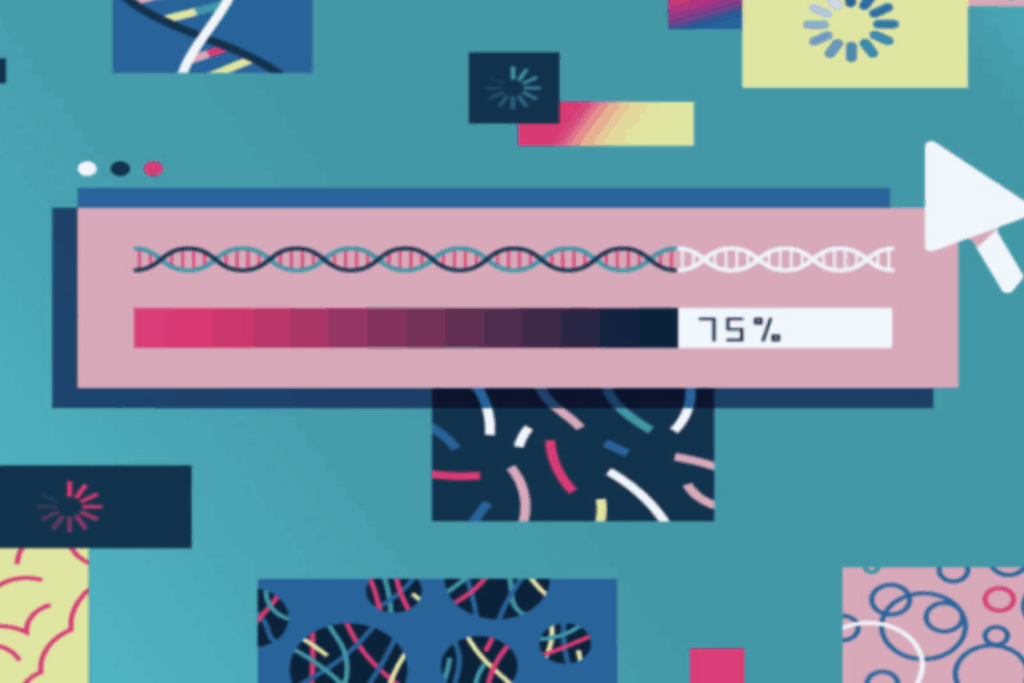
‘It’s Not Science’: Experts Push Back Against Trump Health Department’s Sex Verification Plan
In plain English, the federal government is proposing reclassifying transgender people’s legal sex back to the sex assigned at birth. And if that sex at birth was listed wrong or left unclear, the government wants to put people through genetic testing to ensure a sort of “gender purity,” as it were.

We Asked a Biologist What Would Happen If You Vaped Venom’s Alien Goo
Venom poses a number of interesting questions, such as “Where do the heads go when Venom eats them?” Leaving the theater on Saturday, however, one thought in particular stuck with me: “What would happen if you crammed Venom in an e-cigarette and vaped it?”
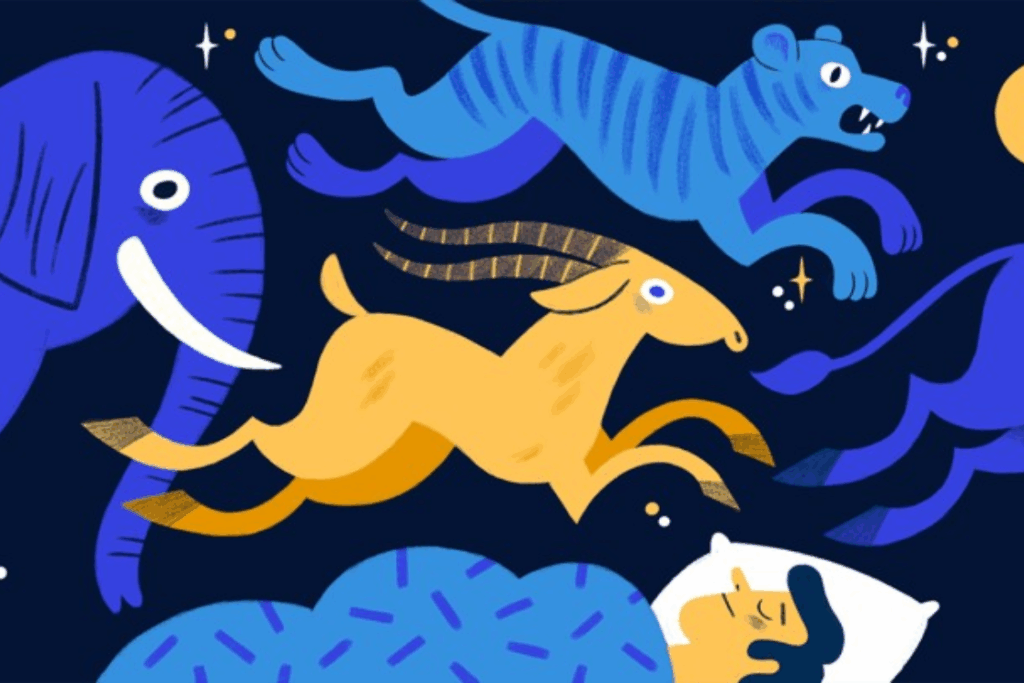
When Animals Take the Night Shift
And look at climate change: In 2014, unusually low temperatures in southern Texas, brought about by a countrywide polar vortex, killed green anole lizards that lacked genes for “cold hardiness,” explains Shane Campbell-Staton, the UCLA biologist who documented the die-off. The elimination of these lizards genetically reconfigured the Texas green-anole population.
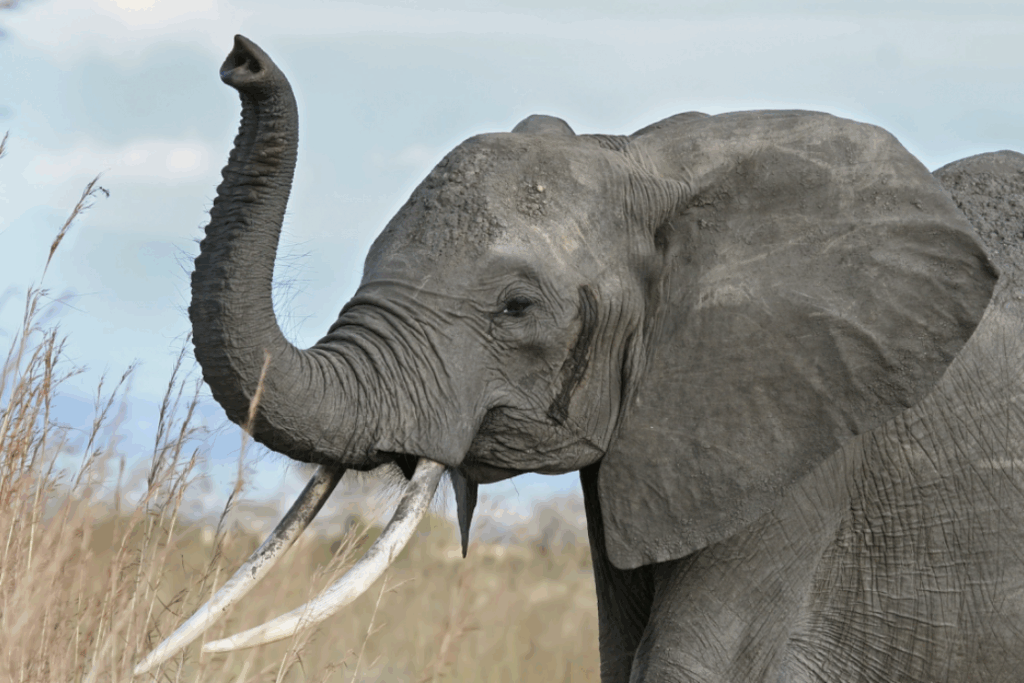
How Teeth Became Tusks, and Tusks Became Liabilities
The persistence of elephant poaching has prompted researchers to wonder whether elephants really needed their tusks, and whether they might not be better off if the tuskless trait were to spread more widely through the African population.

New Guide For Finding Genes Linked With Behavior
Scientists interested in finding specific genes that influence the behavior of humans and animals have a new tool, thanks to a two-year research effort aimed at describing how to apply the latest techniques of molecular genomics to the study of complex behavior.

Received An At-Home DNA Test As A Holiday Gift? Proceed With Caution
Wayne Grody notes that at-home DNA tests differ significantly from the much more comprehensive and scientifically rigorous genetic testing that is performed at UCLA’s genomics center. At the center, people undergo a comprehensive analysis and diagnostic interpretation of their entire protein-encoding genome.
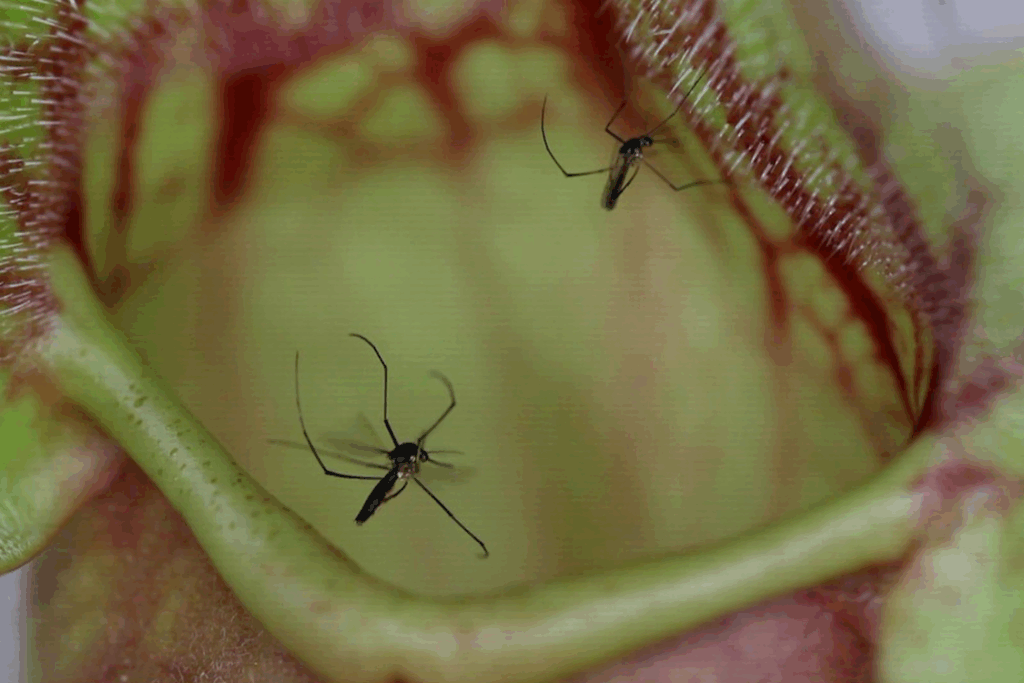
Flower Or Flesh? Genetics Explain Mosquito Preference
Imagine a world in which mosquitoes choose blossoms over blood. Nice, right? There already exists a mosquito species called Wyeomyia smithii in which most of the bugs refuse blood meals in favor of sweet floral nectar. And new research is helping to explain the evolutionary genetics of the switch from blood sucker to flower fanatic.
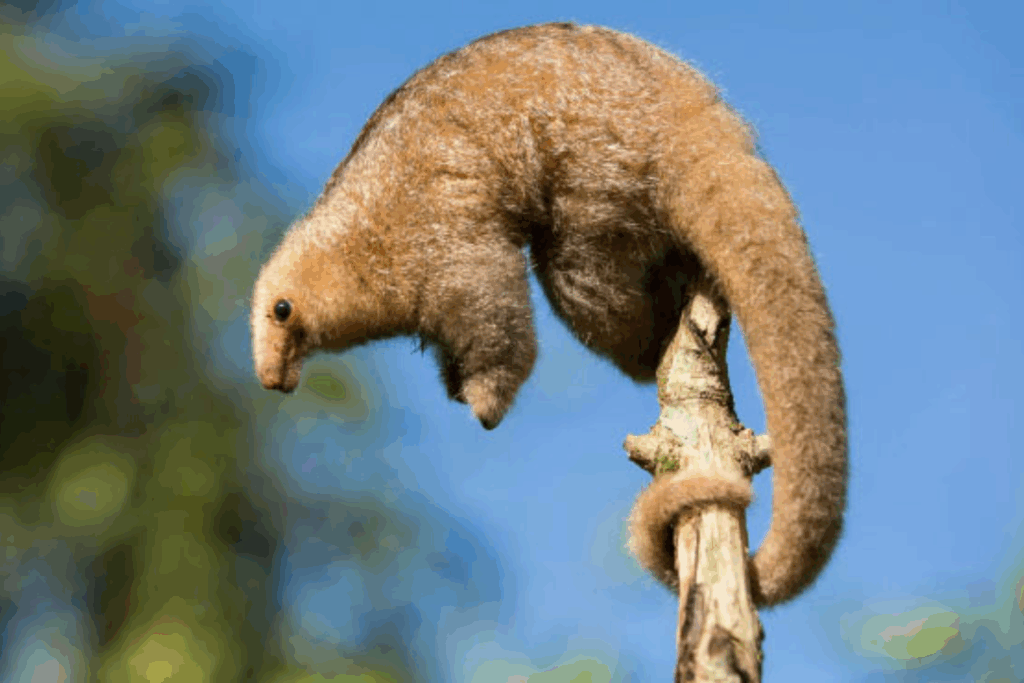
DNA Reveals That Silky Anteaters Are Seven Species
The silky anteater (Cyclopes didactylus) has previously been recognized to be a single species divided into several sub-species. But a new genetic analysis, published in the Zoological Journal of the Linnean Society, suggests that this enigmatic mammal is not one species, but seven separate ones.

Google Has Released an AI Tool That Makes Sense of Your Genome
Google released a tool called DeepVariant that uses the latest AI techniques to build a more accurate picture of a person’s genome from sequencing data. DeepVariant helps turn high-throughput sequencing readouts into a picture of a full genome. It automatically identifies small insertion and deletion mutations and single-base-pair mutations in sequencing data.
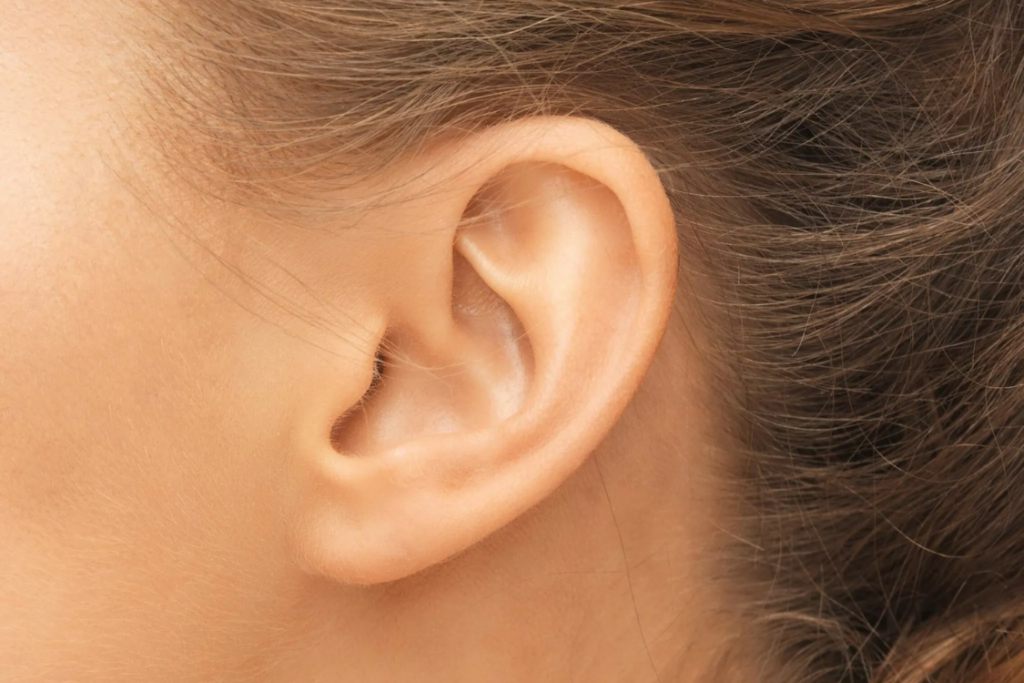
Everything Your Biology Teacher Told You About Earlobes Is Wrong
Parents each pass on two genes for eye color, or so your teacher probably told you. Sorry to break it to you, but very few traits actually work this way. With more genetic information available, it’s becoming clear that a number of different genes determine each feature.
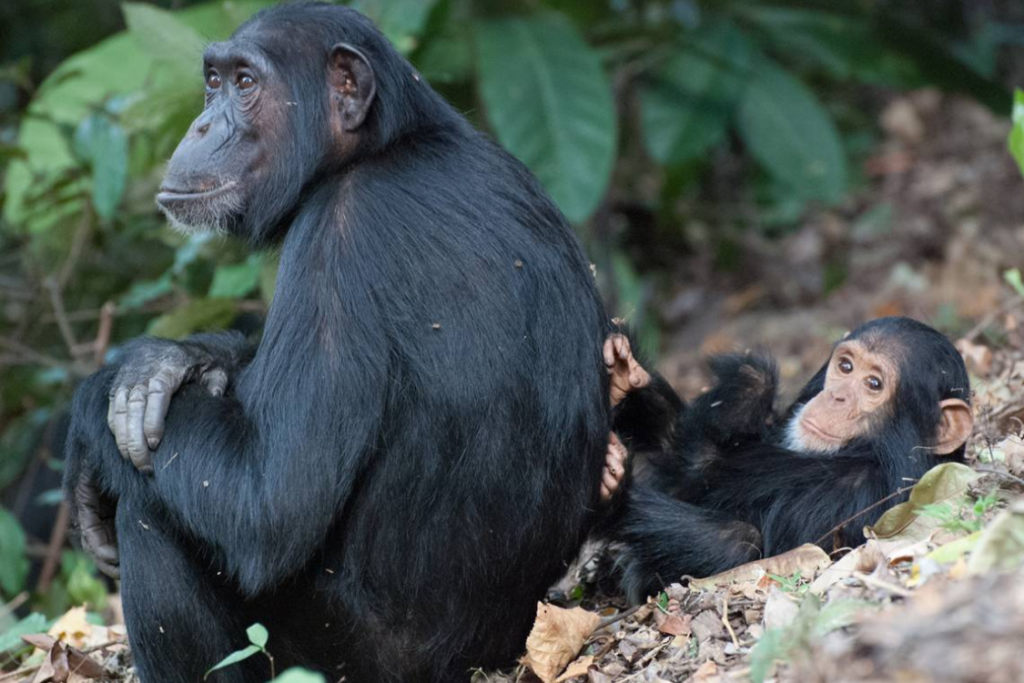
Chimp Females Who Leave Home Postpone Parenthood
Wild chimpanzee females in western Tanzania who leave home or are orphaned take roughly three years longer to start a family. The researchers analyzed more than 50 years’ worth of daily records for 36 female chimps born in Gombe National Park.
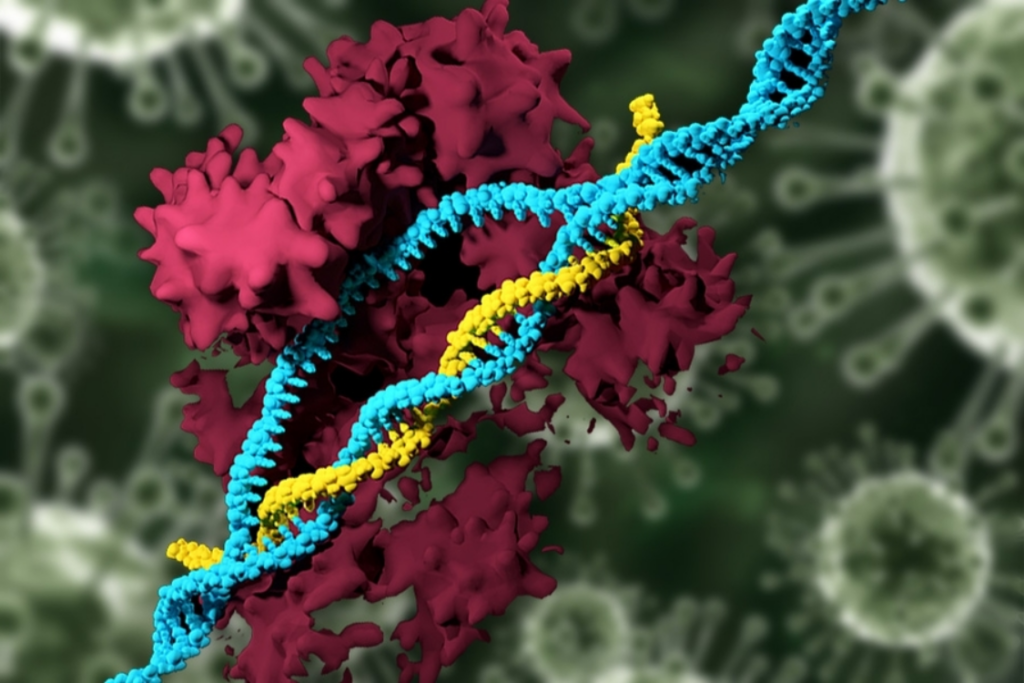
CRISPR-Carrying Nanoparticles Edit the Genome
In a new study, MIT researchers have developed nanoparticles that can deliver the CRISPR genome-editing system and specifically modify genes in mice. The team used nanoparticles to carry the CRISPR components, eliminating the need to use viruses for delivery.