
Recently in ISG

Recently in ISG

Twin Study Finds Genetics Affects Where Children Look, Shaping Mental Development
A study tracked the eye movement of twins finds that genetics plays a strong role in how people attend to their environment. The study offers a new angle on the emergence of differences between individuals and the integration of genetic and environmental factors in social, emotional and cognitive development.
New Model Reveals Possibility of Pumping Antibiotics Into Bacteria
Researchers in the University of Wisconsin–Madison Department of Biochemistry have discovered that a cellular pump known to move drugs like antibiotics out of E. coli bacteria has the potential to bring them in as well, opening new lines of research into combating the bacteria.
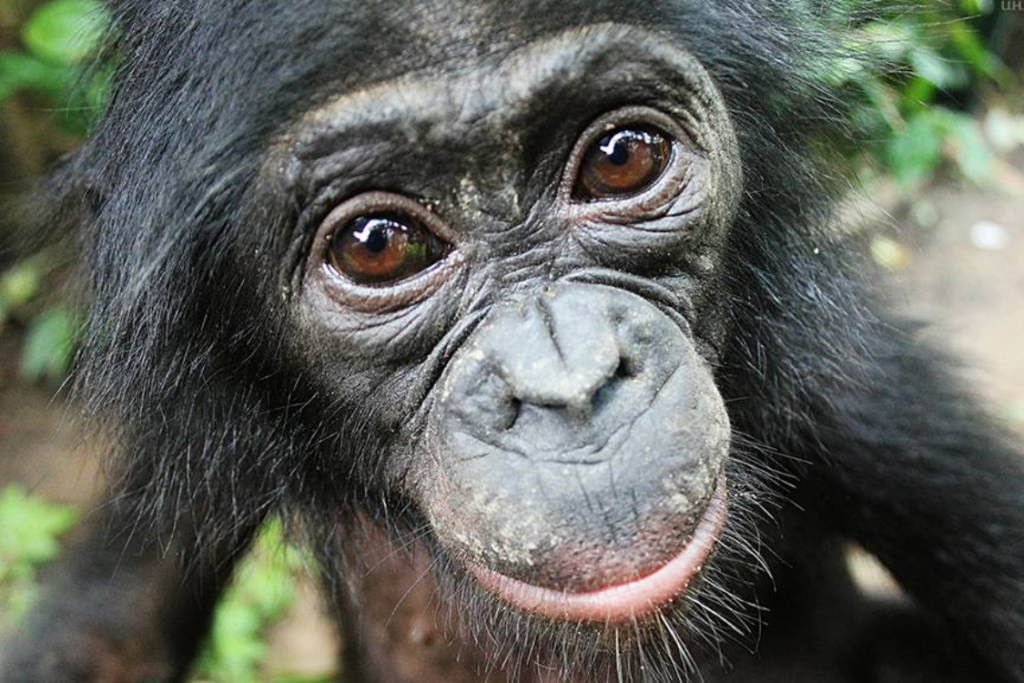
Bonobos Help Strangers Without Being Asked
A passer-by drops something and you spring to pick it up. Or maybe you hold the door for someone behind you. Such acts of kindness were long thought to be unique to humans, but recent research on bonobos suggests our species is not as exceptional in this regard as we like to think.
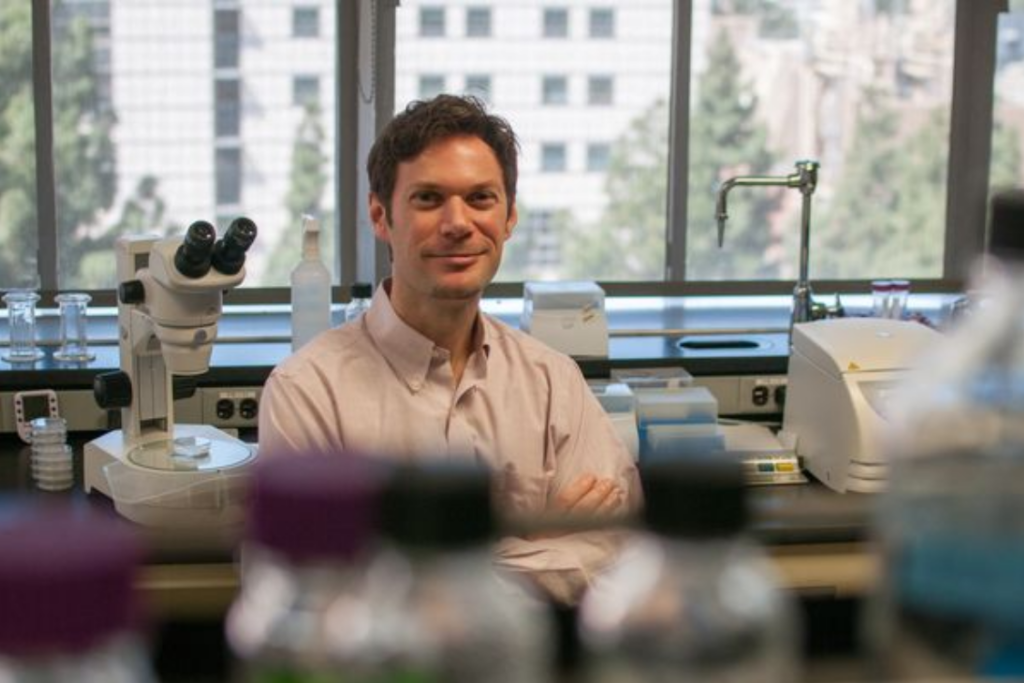
Patrick Allard, Hannah Landecker, & Amander Clark, Awarded a John Templeton Foundation Grant
A UCLA research team led by Patrick Allard, assistant professor of society and genetics, has been awarded a $1.1 million grant from the John Templeton Foundation as part of the foundation’s funding efforts for research into genetics.
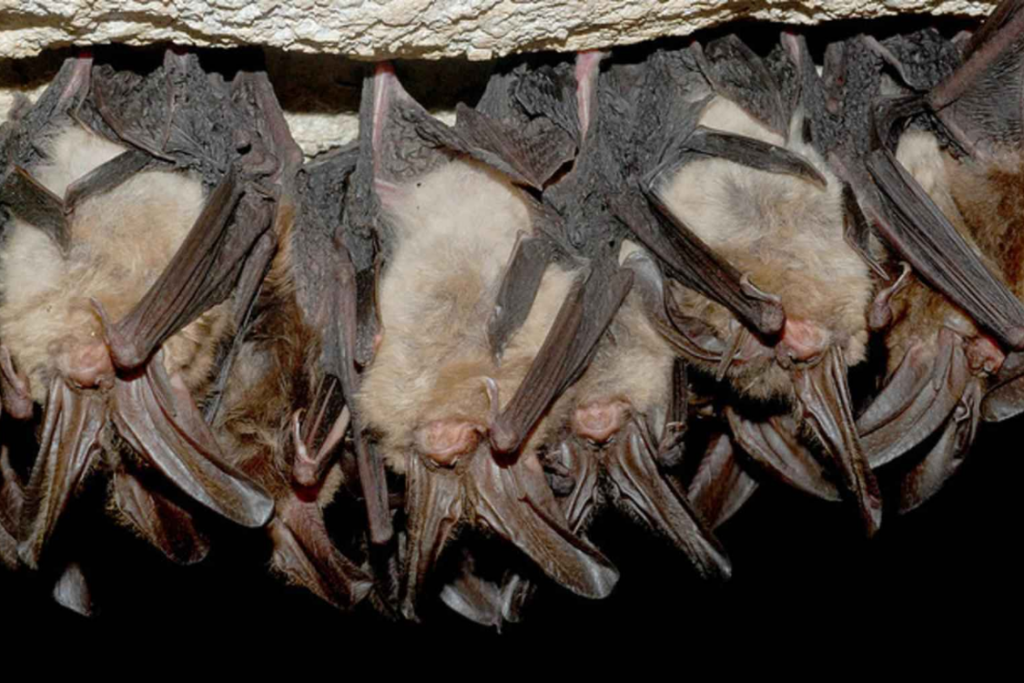
Teaching Bats to Say ‘Move Out of My Way’ in Many Dialects
Wild fruit bats, living in crowded roosts, are exposed to calls from hundreds of fellow bats from birth. Most often these calls are made in response to unsolicited physical contact, and essentially amount to a crabby “move out of my way.”

How Neanderthals Influenced Human Genetics at the Crossroads of Asia and Europe
Through the Middle East and Turkey, it’s thought that the ancestors of modern humans encountered and had sexual rendezvous with a different hominid species: the Neanderthals. Genomic evidence shows that this ancient interbreeding occurred, and Western Asia is the most likely spot where it happened.
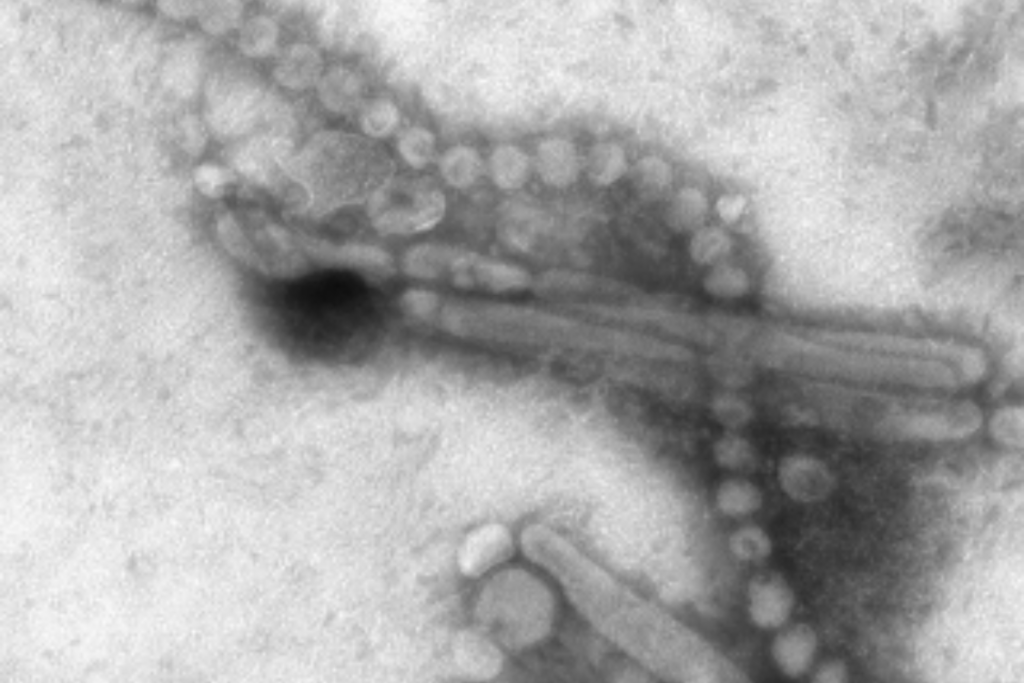
h7n9 Influenza Is Both Lethal and Transmissible in Animal Model for Flu
In 2013, an influenza virus began circulating among poultry in China. It caused several waves of human infection and in late 2016, the number of people to become sick from the H7N9 virus suddenly started to rise. As of late July 2017, nearly 1,600 people had tested positive for avian H7N9.

‘This Is Very Alarming!’: Flying Insects Vanish from Nature Preserves
Not long ago, a lengthy drive on a hot day wouldn’t be complete without scraping bug guts off a windshield. But splattered insects have gone the way of the Chevy Nova — you just don’t see them on the road like you used to. Biologists call this the windshield phenomenon. It’s a symptom, they say, of a vanishing population.
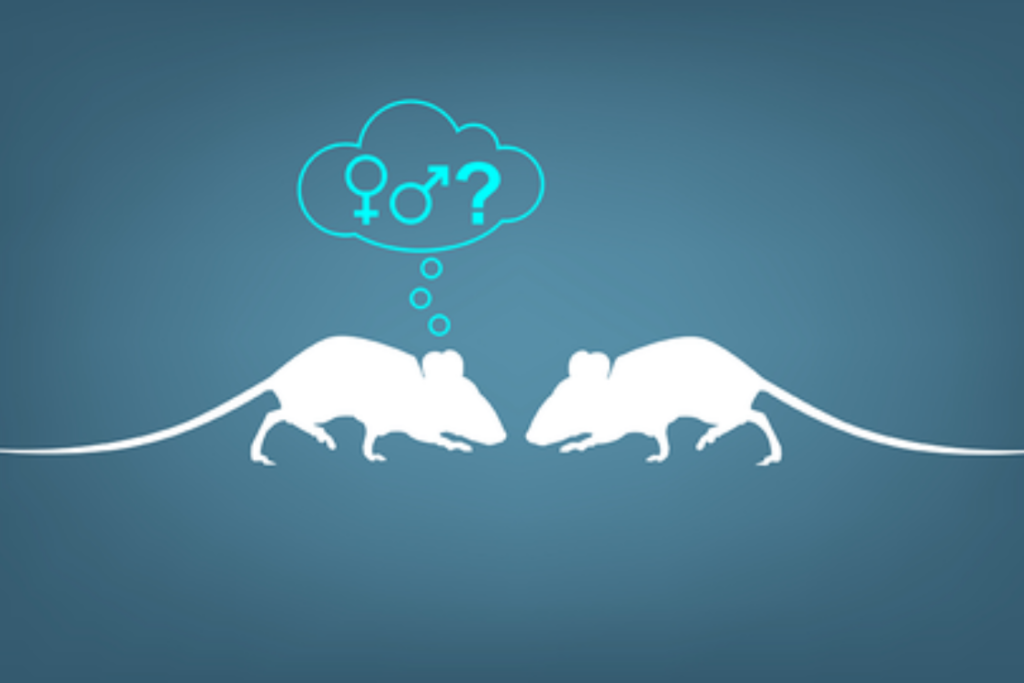
Nature or Nurture? Innate Social Behaviors in the Mouse Brain
When encountering a female, a male mouse will try to mate with it, and when encountering another male, the mouse will attack. The animals don’t have to be taught to perform these behaviors. This has led to the presumption among neuroscientists that the brain circuits mediating these behaviors are “hardwired.”
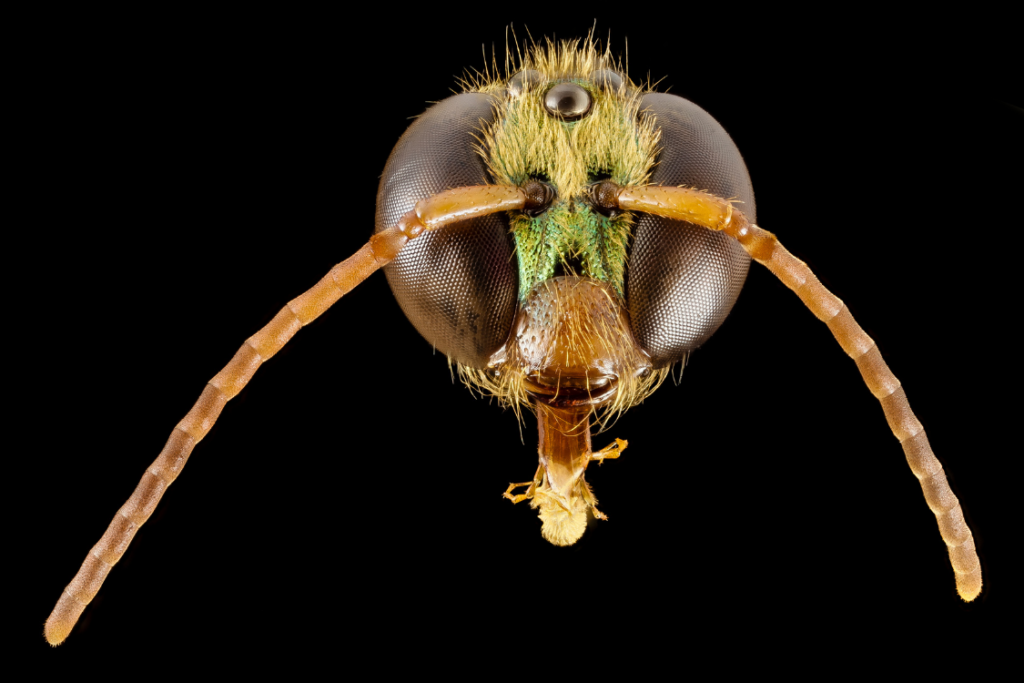
New Study Shows How Bee’s Brain Functions to Guide It Home
Bees use their vision to navigate, but until now little was known about what happens inside their brains as they perform this task. “Polarized-light-based compass neurons and optic-flow-based speed-encoding neurons are located in a part of the bee brain called the central complex,” the study authors explained.

‘Antibiotic Apocalypse’: Doctors Sound Alarm Over Drug Resistance
Scientists attending a recent American Society for Microbiology meeting revealed that bacteria containing a gene known as mcr-1 – which confers resistance to the antibiotic colistin – had spread round the world at an alarming rate since its original discovery 18 months earlier.
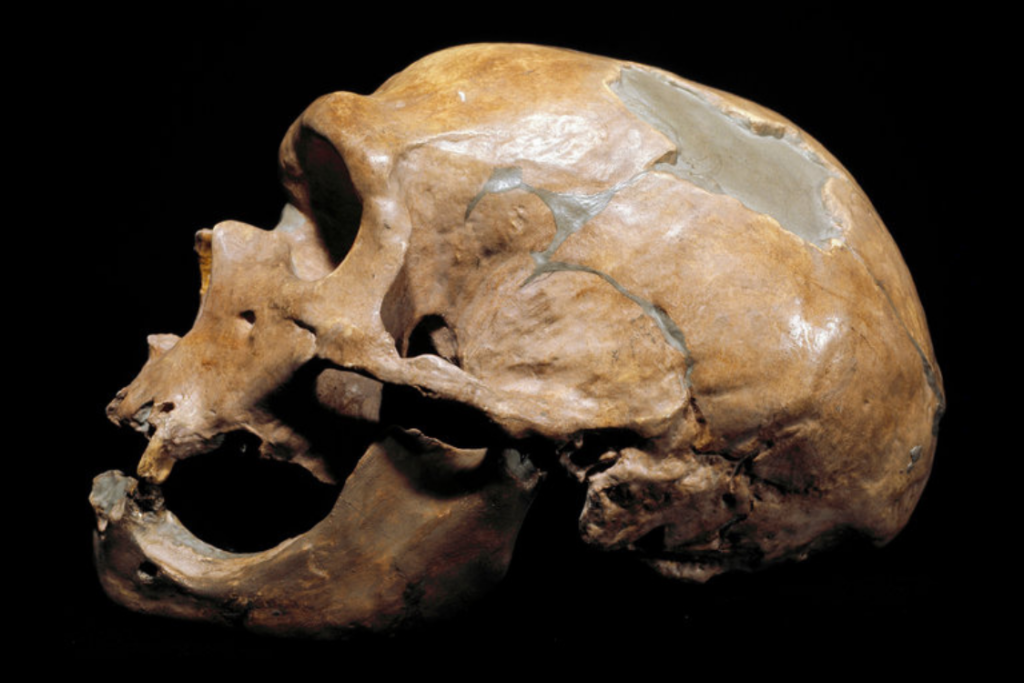
Two Ancient DNA Studies Provide New Insights into Lives of Neanderthals and Paleolithic Humans
Two teams of researchers have used advanced DNA sequencing methods to analyze the 52,000-year-old remains of a Neanderthal woman from Vindija Cave in Croatia, and the 34,000-year-old remains of four anatomically modern humans from the Upper Paleolithic archaeological site of Sunghir.