
Recently in ISG

Recently in ISG
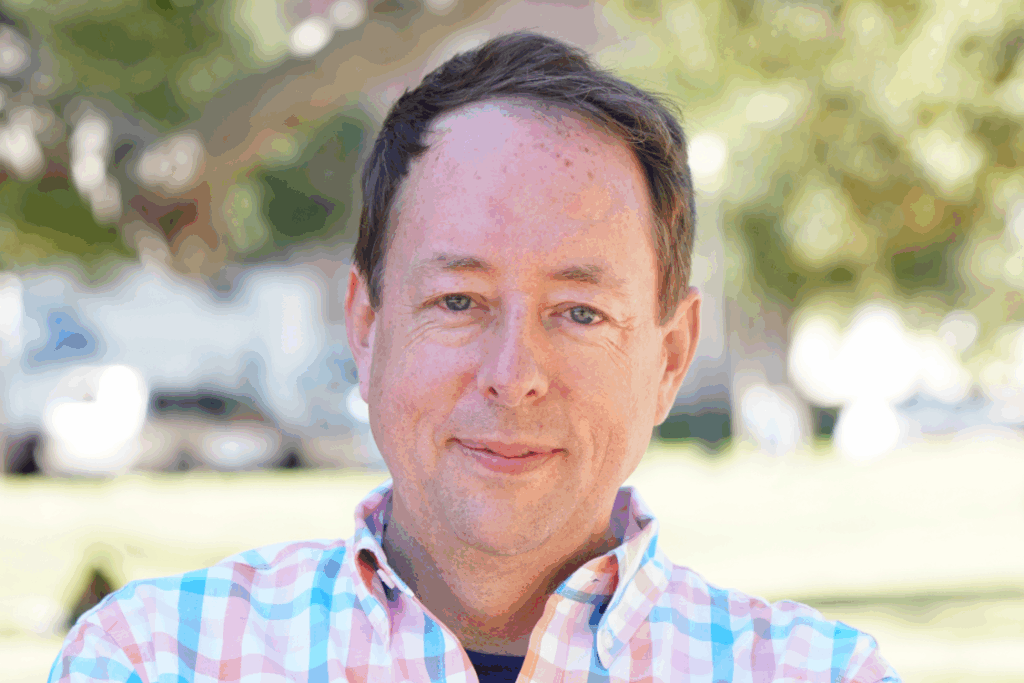
Pandemic Participation: Christopher M. Kelty on Isolation and Participation in a Public Health Crisis
Drawing from ideas in his book, The Participant: A Century of Participation in Four Stories, ISG Professor, Christopher M. Kelty, discusses in a blog post how participation changes during a pandemic and what it means for the future.
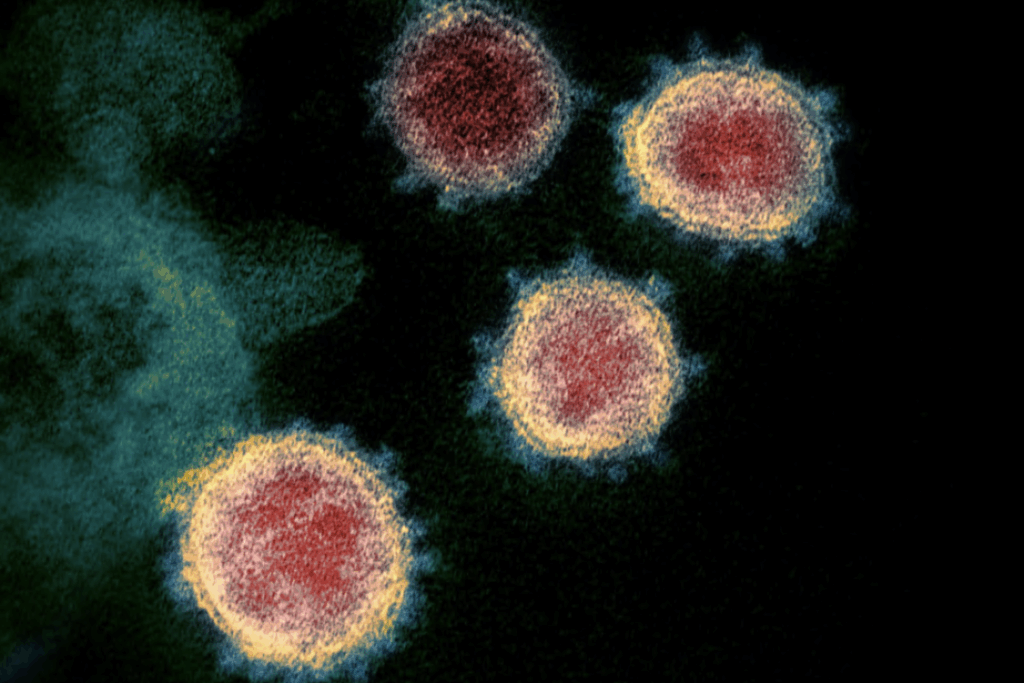
Soraya de Chadarevian, Writes “The Science and History on COVID-19”
ISG Professor Soroya de Chadarevian has partnered up with The Luskin Center for History and Policy and the UCLA Department of History in announcing “Then + Now: Short Takes by UCLA Historians in the Age of Corona”, a series of short and diverse reflections by historians on the current COVID-19 crisis.
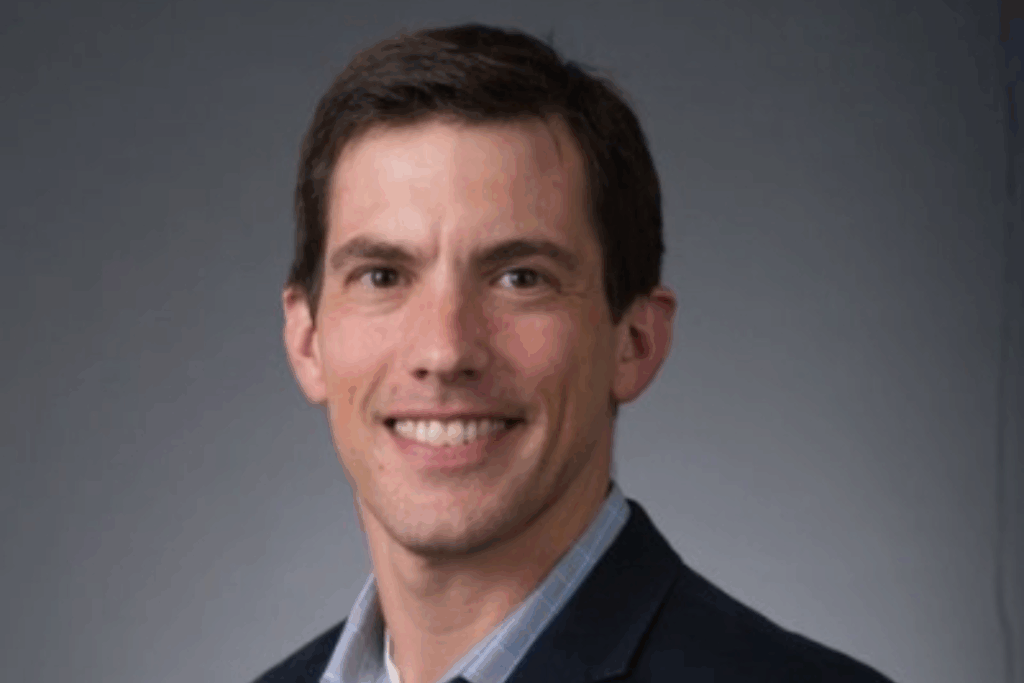
Aaron Panofsky, Named a 2020 Andrew Carnegie Fellow
Congratulations to Aaron Panofsky, vice chair of academic personnel and Associate Professor at the Institute for Society and Genetics, Public Policy, and Sociology, at UCLA, who was named a 2020 Andrew Carnegie Fellow on May 22, 2020.
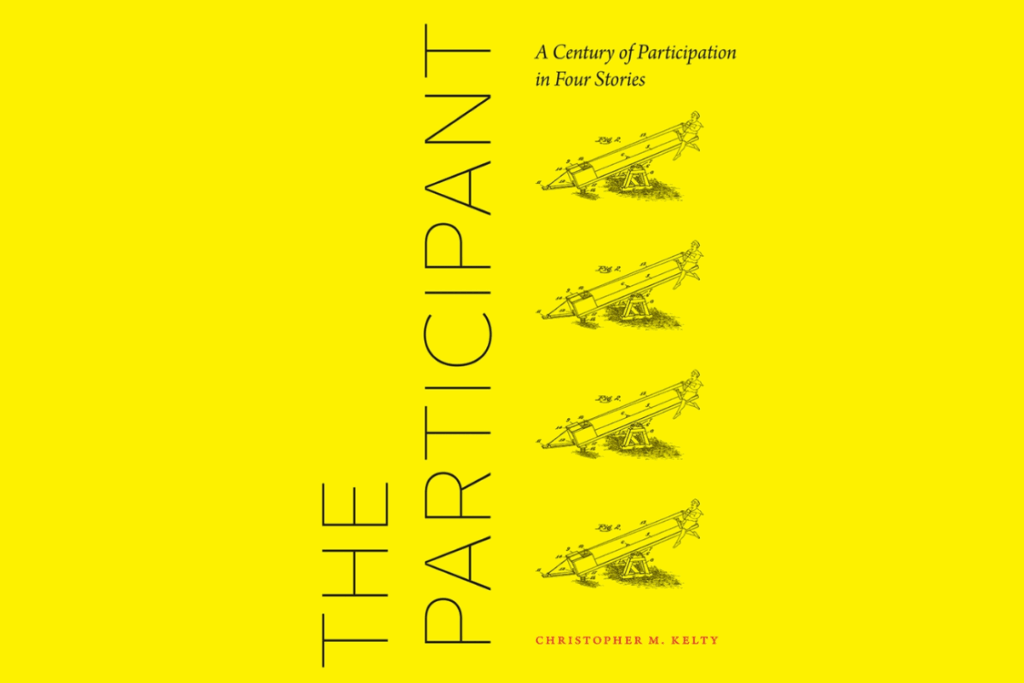
Christopher Kelty, Publishes new book “The Participant: A Century of Participation in Four Stories”
We are pleased to announce the launch of ISG Professor Christopher Kelty’s new book, The Participant, which is a historical ethnography of the concept of participation and further discussion on how it has evolved. Since its release, The Participant has already gained plenty recognition from scholars near and far.
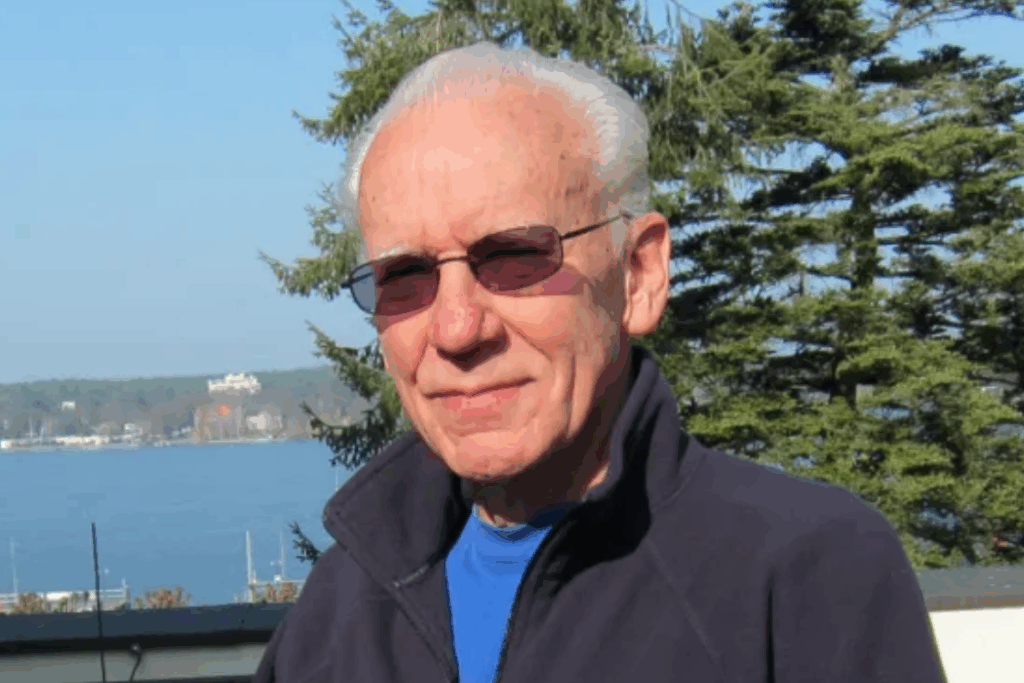
Lifetime Achievement: ISG Founder Norton Wise awarded the History of Science Society’s 2019 Sarton Medal
Belated congratulations to Norton Wise, founding co-director of ISG and Distinguished Research Professor of History, Emeritus, at UCLA who was awarded the History of Science Society’s 2019 Sarton Medal for lifetime scholarly achievements on July 25, 2019.

Terence Keel, Give Goodspeed Lecture on “Christianity, Race, and Haunting of the Biomedical Sciences”
ISG Professor Terence Keel presented his lecture,”Chrisitianity, Race, and Haunting of the Biomedical Sciences,” in the distinguished Goodspeed Lecture series at the Denison University on October 22, 2019 between 7:00PM – 9:00PM.
Aaron Panofsky, Discusses Genetic Ancestry Testing Among White Nationalists
In addressing the topic of white nationalism, sociologist and ISG Professor, Aaron Panofsky, examined and co-authored a research article on “Genetic ancestry testing among white nationalists: From identity repair to citizen science”, in which he utilized qualitative analysis of posts from an online forum dedicated to white nationalism called Stormfront.
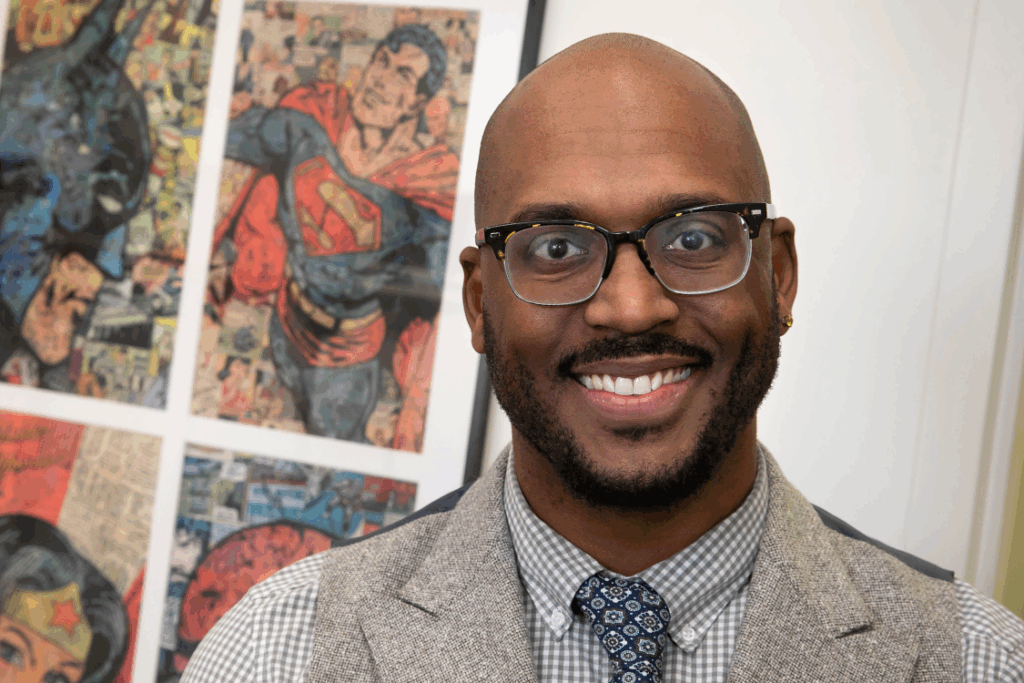
Shane Campbell-Staton, Uses Superheroes To Help Students Sift Fact From Fiction
For ISG Professor Shane Campbell-Staton, his tools are comic books. In his winter quarter course “Biology of Superheroes”, Campbell-Staton challenges his students to develop their perspective on evolutionary biology, as he explores comic book stories of superheroes.

In a Race For Mentions, It’s Open Season On Researchers
The commercialization of open access research in the US has sparked discussion among Christopher Kelty and Alexandra Lippman. In their recent article “In a race for mentions, it’s open season on researchers,” Kelty and Lippman discuss the culture of metrics and rank for visibility and status found in notable online open access platforms.

Wayne Grody, Awarded as 2018 Fellow of the American Association for Advancement of Science
UCLA ISG congratulates Dr. Wayne Grody for being awarded this year as a fellow of the American Association for Advancement of Science (AAAS).

DIY Biology Lecture with Dr. Josiah Zayner
On Wednesday, November 28, 2018, the Biotechnology and Society Freshman Cluster course hosted Dr. Josiah Zayner as part of its DIY Biology Lecture series (co-hosted by the Institute for Society and Genetics and the UCLA Cluster Program).
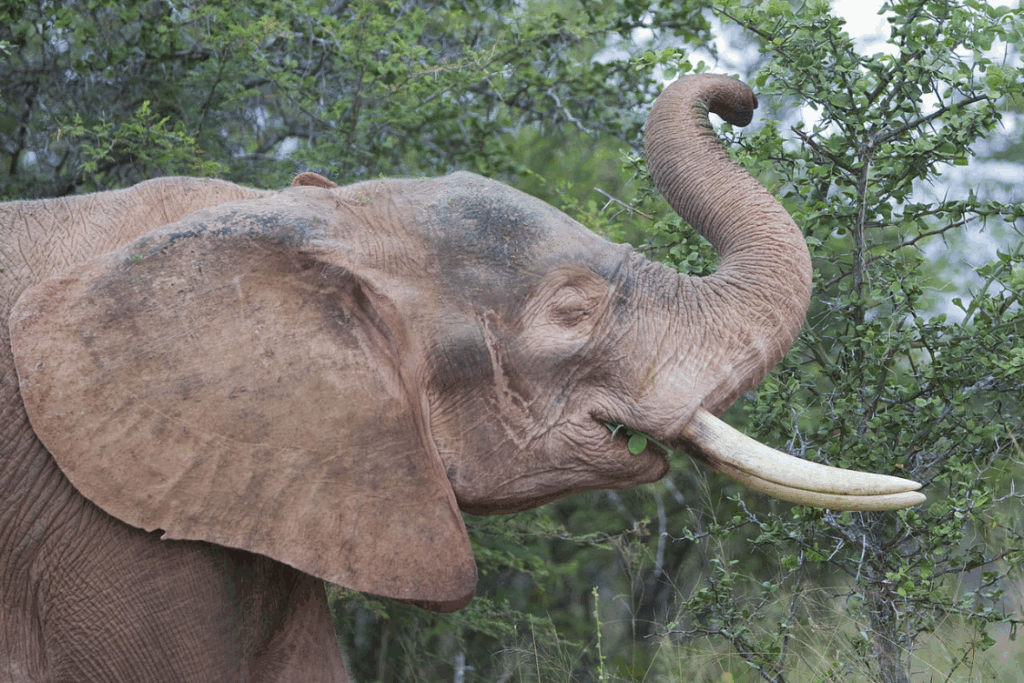
Under Poaching Pressure, Elephants Are Evolving To Lose Their Tusks
Their goal is to uncover more information about how these animals move, eat, and what their genomes look like. Long hopes to detail how elephants without the benefit of tusks as tools may alter their behavior to get access to nutrients.