
Recently in ISG

Recently in ISG

Michelle Rensel, Talks Stress Snacks and Mild Emotional Collapse on People Stuff Podcast
Michelle Rensel joins Dan and Michael for a lively discussion on stress, snacks, and emotional resilience. With humor and thoughtful insights, she explores how everyday coping strategies can lighten the load. The episode blends laughter with practical wisdom, making stress management feel approachable and human.
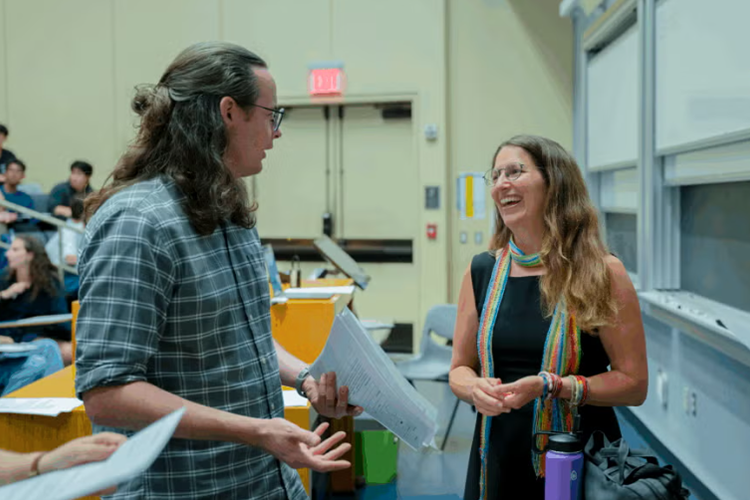
Michelle Rensel, Highlighted in a Teaching and Learning Center Post on Instructional Innovation
Michelle Rensel, Institute for Society & Genetics has been featured in TLCs news on instructional innovation at UCLA.

Michelle Rensel, Awarded the Tier 3 Catalyst Grant by the UCLA Teaching & Learning Center
Michelle’s Rensel project “Assessing the Impacts of a Cross-Disciplinary Role-Playing Intervention in a Large General Education Course” has been awarded a Tier 3 Catalyst Grant from UCLA’s Teaching & Learning Center

Patrick Allard in The Scientist: US Could Lose 7 Billion Dollars and Invaluable Research Talent if International Student Enrollments Drop
An article in The Scientist features ISG’s faculty Patrick Allard, warning that declining international student enrollment could cost $7 billion and erode innovation, diversity, and collaborative strength in U.S. universities.

Terence Keel in the LA Times: The Push to Hold More Nonviolent Suspects in Jail Threatens Public Safety
Los Angeles Times article by Terence Keel, ISG faculty, critiques Trump’s executive order against zero cash bail, warning it undermines reform, harms marginalized communities, and threatens fairness in U.S. courts.
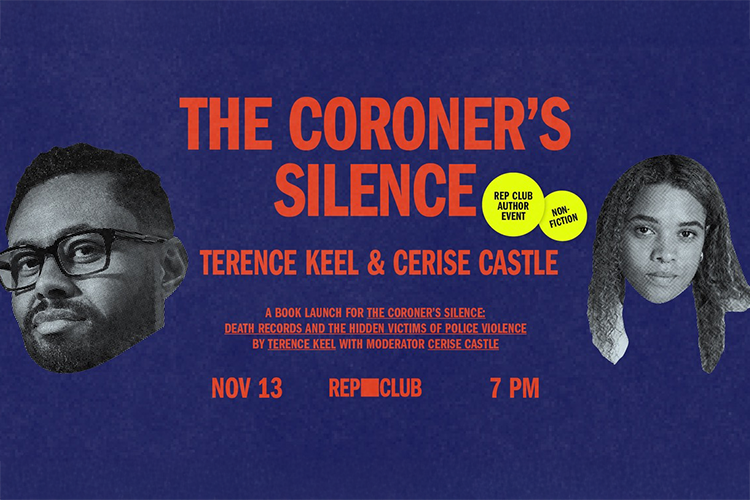
Book Event: The Coroner’s Silence with Terence Keel
Our faculty Terence Keel is presenting his new book The Coroner’s Silence: Death Records and the Hidden Victims of Police Violence next November 13 2025 at Reparations Club.
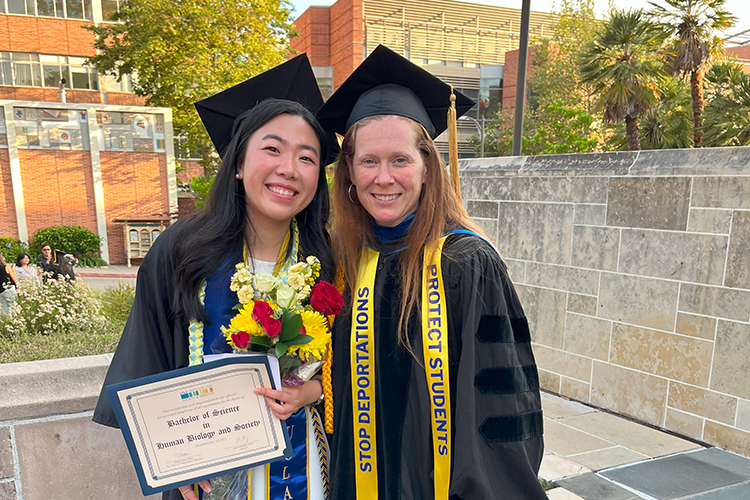
Anne Gabrielle Go, Awarded the 2025 Dean’s Prize for Excellence in Research and Creativity
We would like to recognize the achievement of Anne Gabrielle Go, who was recently awarded the Dean’s Prize for Excellence in Research and Creativity: Humanities, Arts, and Social Sciences.
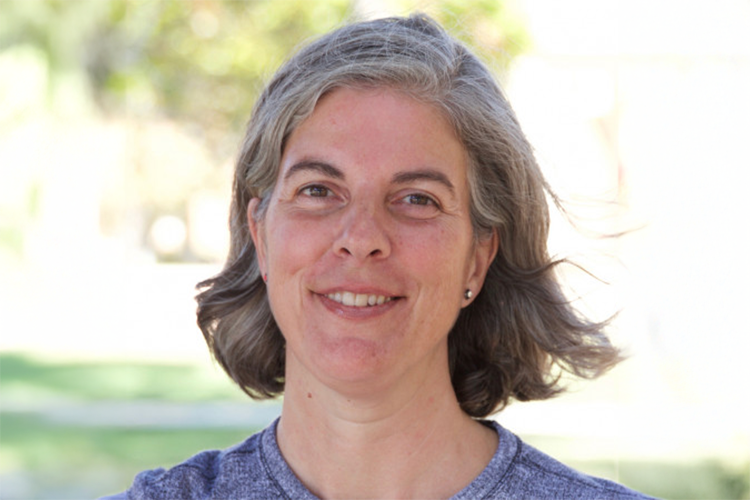
Jessica W. Lynch, Awarded Fulbright U.S. Scholar
The Institute for Society and Genetics (ISG) is proud to announce that Professor Jessica W. Lynch has been awarded the prestigious Fulbright U.S. Scholar Award for her project, “Integrated Conservation Research to Best Protect the Amazon’s Most Endangered Monkey” .
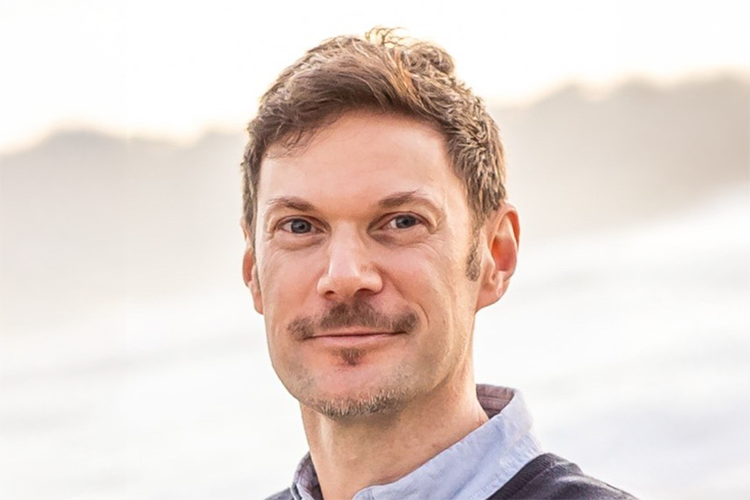
Patrick Allard, Awarded Fulbright U.S. Scholar
The Institute for Society and Genetics (ISG) is proud to announce that Professor Patrick Allard has been awarded the prestigious Fulbright U.S. Scholar Award for his project, “Closing the Loopholes: Rethinking Pesticide Policy and Governance”.

Hannah Landecker in the Metabolic Futures Workshop as Keynote Speaker
ISG Faculty, Hannah Landecker, participated last Apr 4 – 5 2025, in the Metabolic Futures workshop, at Stuttgart, Germany. Where she presented the Keynote Lecture Distilled, Emulsified, Suspended: On Viscosity and Time in the Metabolism of Mass Production.
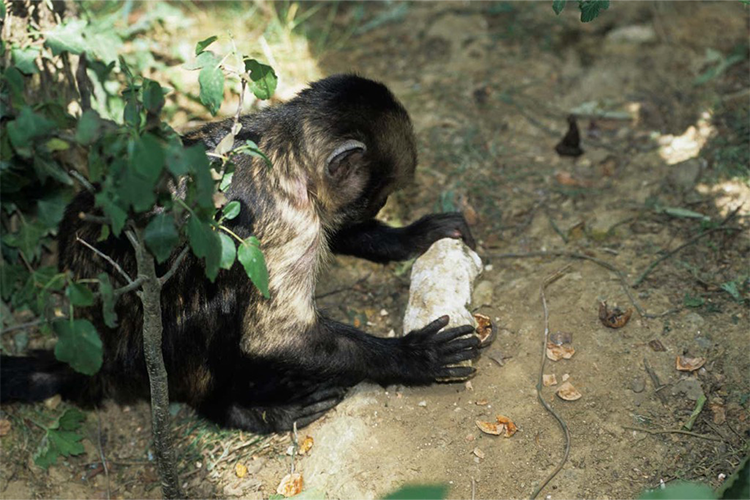
Jessica Lynch, Featured on NewScientist Article: Stone Tools Help Monkeys Thrive in Hostile Habitats
ISG faculty, Jessica Lynch, research has been featured on a NewScientist article “Stone tools help monkeys thrive in hostile habitats”.

Danielle Carr, Interviewed on The Dig podcast
ISG faculty Danielle Carr discusses “the history and present state of American unwellness and how that’s been shaped by psychiatry, prescription drugs, neuroscience, popular culture, smartphones and social media.