
Recently in ISG

Recently in ISG
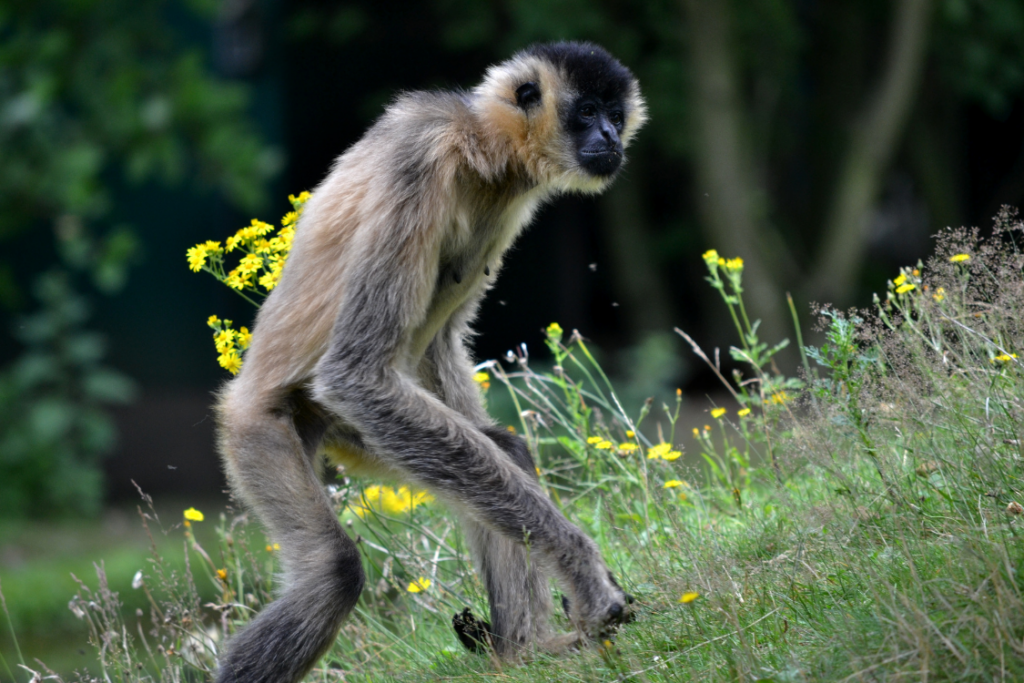
Prelude to Global Extinction: Stanford Biologists Say Disappearance of Species Tells Only Part of the Story of Human Impact on Earth’s Animals
Two vertebrate species go extinct every year on average, but few people notice, perhaps because the rate seems relatively slow – not a clear and present threat to the natural systems we depend on. This view overlooks trends of extreme decline in animal populations, which tell a more dire story.

First Big Efforts to Sequence Ancient African DNA Reveal How Early Humans Swept Across the Continent
Early Europeans and Asians have had portions of their genomes sequenced by the hundreds over the past decade, rewriting Eurasian history in the process. But because genetic material decays rapidly in warm, moist climates, scientists had sequenced the DNA of just one ancient African. Until now.
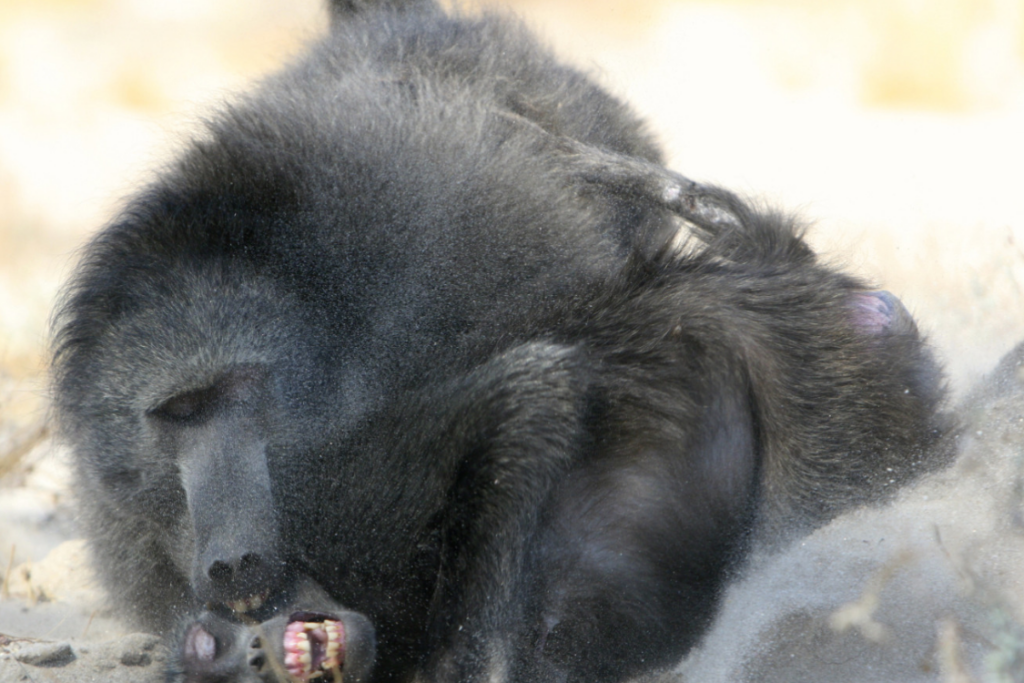
Long-Term Sexual Intimidation May Be Widespread in Primate Societies
After observing the mating habits of chacma baboons living in the wild, researchers have found that males of the species often use long-term sexual intimidation to control their mates. The findings suggest that this mating strategy has a long history in primates, including humans, and may be widespread across social mammals.

How Frogs Benefited From The Dinosaurs' Extinction
The asteroid that hit Earth spelled disaster for the dinosaurs. But scientists say they’ve found one silver lining to the mass extinction — turns out, it was really good for frogs. In the aftermath of the extinction event, they thrived, taking advantage of an ecological vacuum other animals left behind.

Thousands of Genes Influence Most Diseases
In a provocative new perspective piece, Stanford researchers say that disease genes are spread uniformly across the genome, not clustered in specific molecular pathways, as has been thought. The gene activity of cells is so broadly networked that virtually any gene can influence disease, the researchers found.

Racism Aggravates Treatment-Resistant Asthma
Racial discrimination experienced by African-American children and young adults exacerbates a type of asthma known to be resistant to standard treatment, according to a study headed by researchers at UC San Francisco.

Researchers Discover What May Be Earliest Stage of Alzheimer’s
Older adults with elevated levels of brain-clogging plaques — but otherwise normal cognition — experience faster mental decline suggestive of Alzheimer’s disease, according to a new study led by the Keck School of Medicine of USC that looked at 10 years of data.

Scientists 3-D Print Mouse Ovaries That Actually Make Babies
Not all girls grow up to be mothers. Sometimes they choose not to be, and sometimes circumstances take those choices away. A superfluity of cancers and genetic diseases can destroy women’s ovaries. Or treatments like radiation—used to save a woman’s life—can render those egg-producing organs useless.

Study of Worms Reveals ‘Selfish Genes’ That Encode A Toxin – and Its Antidote
The new research revealed that if worms with the two genes mate with wild strains of Caenorhabditis elegans that don’t have both genes, their offspring who don’t inherit the antidote can’t protect themselves from the toxin — which is produced by mother worms — and die while they are still embryos.

In Brain Evolution, Size Matters – Most of the Time
Which came first, overall bigger brains or larger brain regions that control specialized behaviors? The study reports that though vertebrate brains differ in size, composition and abilities, evolution of overall brain size accounts for most of these differences, with larger brains leading to greater capabilities.
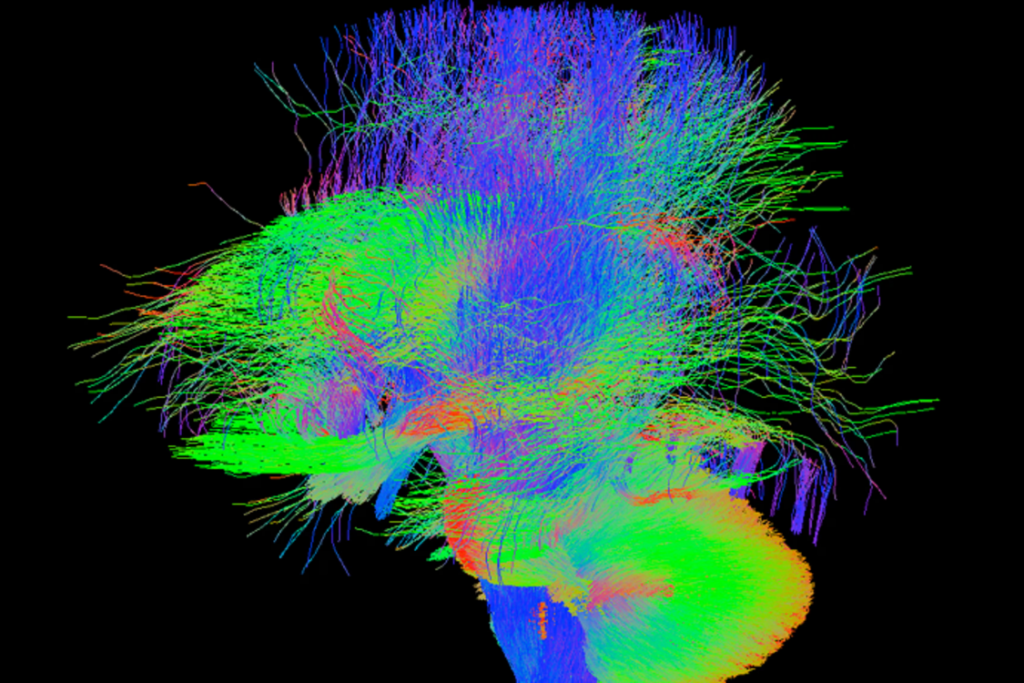
Project to Map Human Brain From Womb to Birth Releases Stunning Images
A landmark project to map the wiring of the human brain from womb to birth has released thousands of images that will help scientists unravel how conditions such as autism, cerebral palsy and attention deficit disorders arise in the brain.
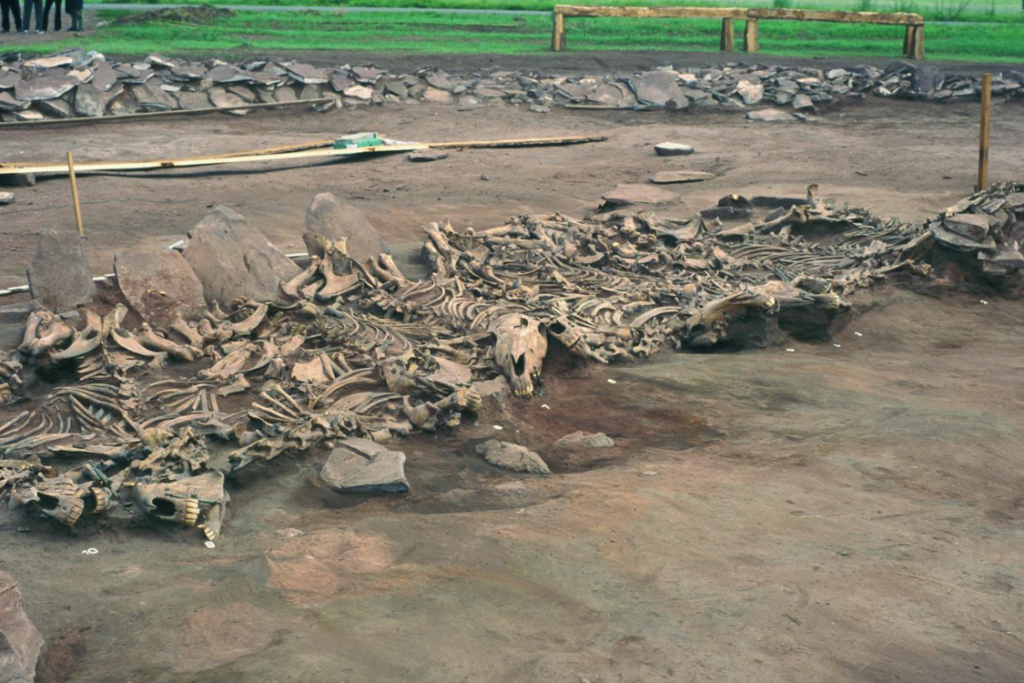
Scythian Horse Breeding Unveiled: Lessons for Animal Domestication
Nomad Scythian herders roamed vast areas spanning the Central Asian steppes during the Iron Age, approximately from the 9th to the 1st century BCE. These livestock pastoralists, who lived on wagons covered by tents, left their mark in the history of warfare for their exceptional equestrian skills.