
Recently in ISG

Recently in ISG
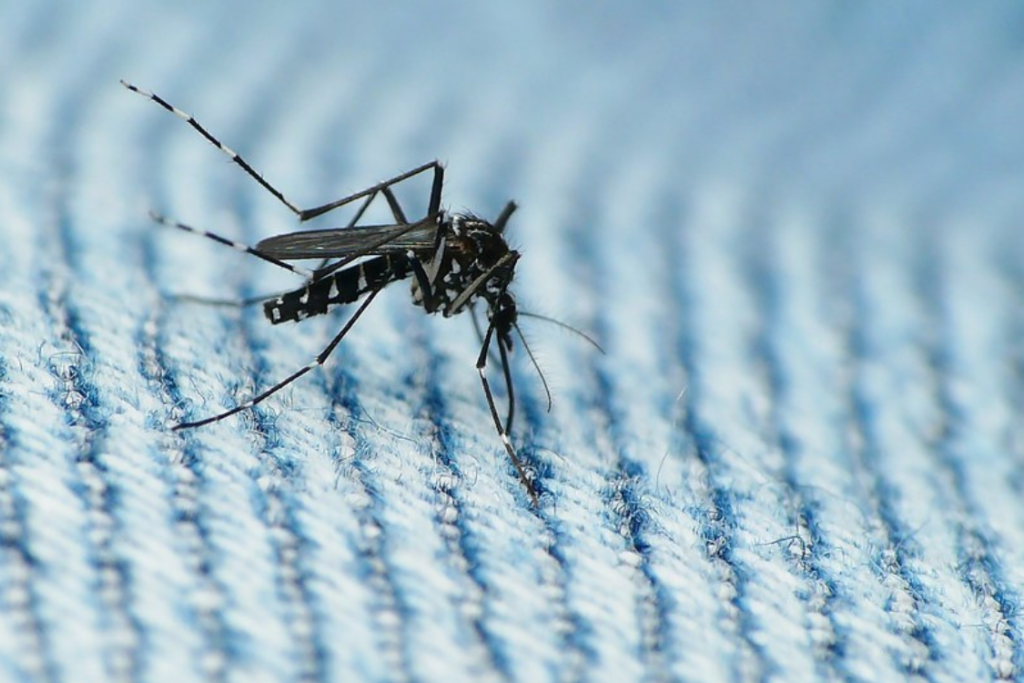
One Gene Mutation May Cause Zika's Devastating Birth Defects
Sixty years ago, a team of scientists went looking for yellow fever in the jungles that line the northwestern edge of Lake Victoria. What they found instead, in the blood of a rhesus monkey, was a new virus, one they named for the area’s dense vegetation: Uganda’s Zika Forest.

Patrick Allard et al., Published “Has Toxicity Testing Moved into the 21st Century? A Survey and Analysis of Perceptions in the Field of Toxicology”
Ten years ago, leaders in the field of toxicology called for a transformation of the discipline to incorporate advances in biotechnology and predictive methodologies into alternative testing strategies. But a decade later, the outcomes of these efforts are not well understood.
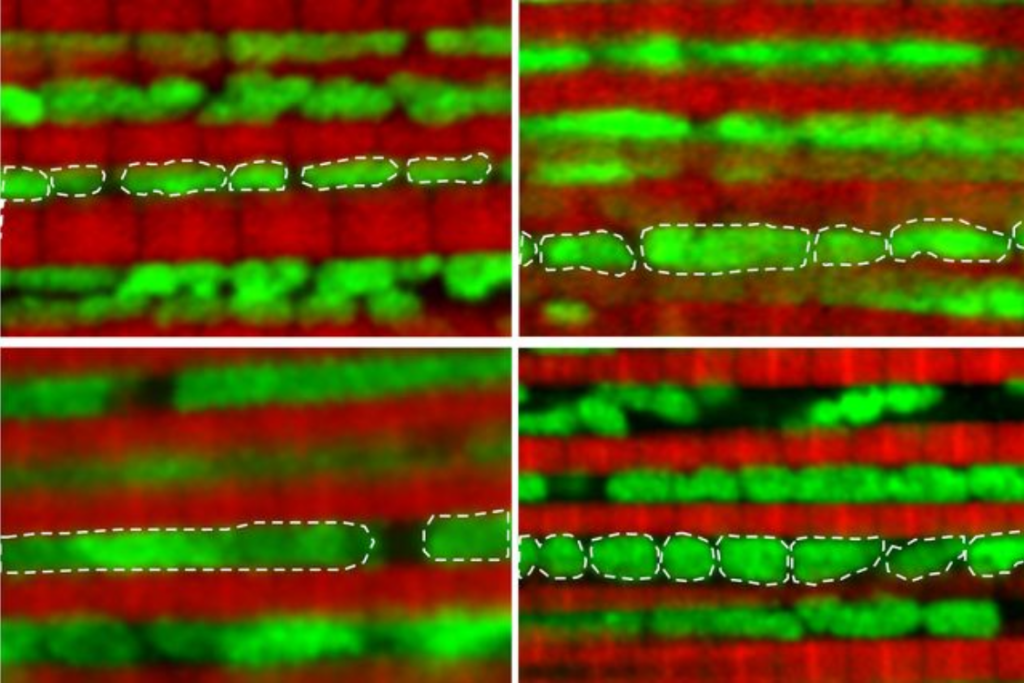
UCLA Biologists Slow Aging, Extend Lifespan of Fruit Flies
In research that potentially could delay the onset of Parkinson’s disease, Alzheimer’s disease, cancer, stroke, cardiovascular disease, and other diseases of aging, biologists have produced a genetic one-two punch that significantly slowed aging and improved health in the middle-aged fruit flies they studied.
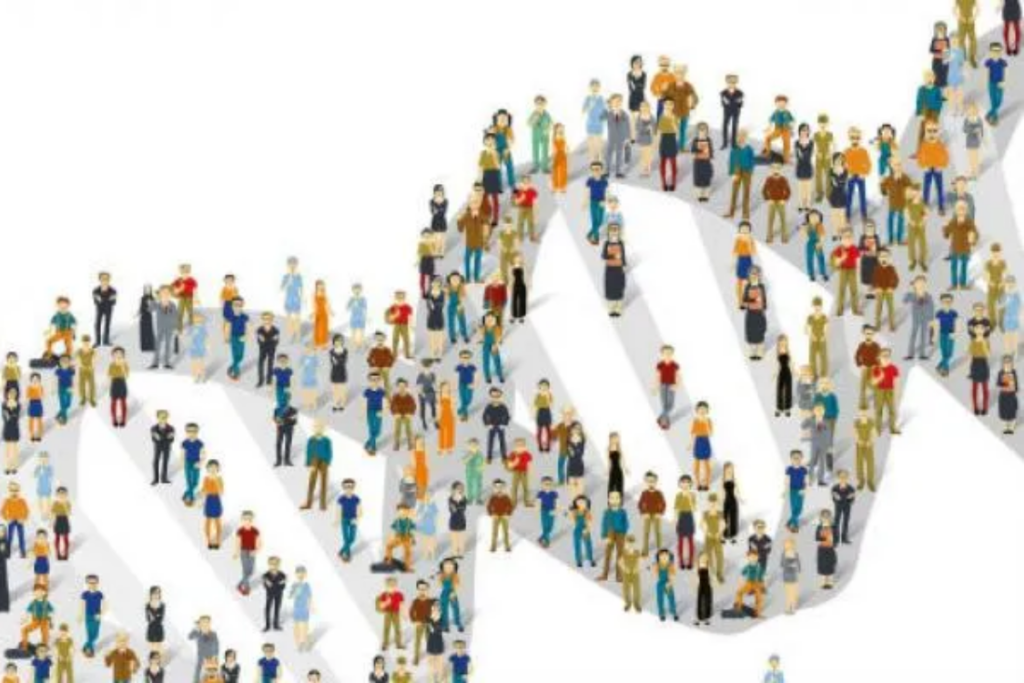
Humans Still Evolving, Large-Scale Study of Genetic Data Shows
In a study analyzing the genomes of 210,000 people in the United States and Britain, researchers have found that the genetic variants linked to Alzheimer’s disease and heavy smoking are less frequent in people with longer lifespans, suggesting that natural selection is weeding out these unfavorable variants in both populations.

Common Antiseptic Ingredients De-Energize Cells and Impair Hormone Response
A new in-vitro study by University of California, Davis, researchers indicates that quaternary ammonium compounds, or “quats,” used as antimicrobial agents in common household products inhibit mitochondria, the powerhouses of the cell, as well as estrogenic functions in cells.
Study Reveals White Nationalists’ Reactions When Genetics Test Results Challenge Their Identity
A new study by UCLA researchers reveals the range of reactions — from rejection to reinterpretation to acceptance — after white nationalists learn that DNA ancestry test results indicate they may not be as white or European as they previously thought.

Aaron Panofsky et al., Published “When Genetics Challenges a Racist’s Identity: Genetic Ancestry Testing among White Nationalists”
This paper considers the emergence of new forms of race-making using a qualitative analysis of online discussions of individuals’ genetic ancestry test (GAT) results on the white nationalist website Stormfront.
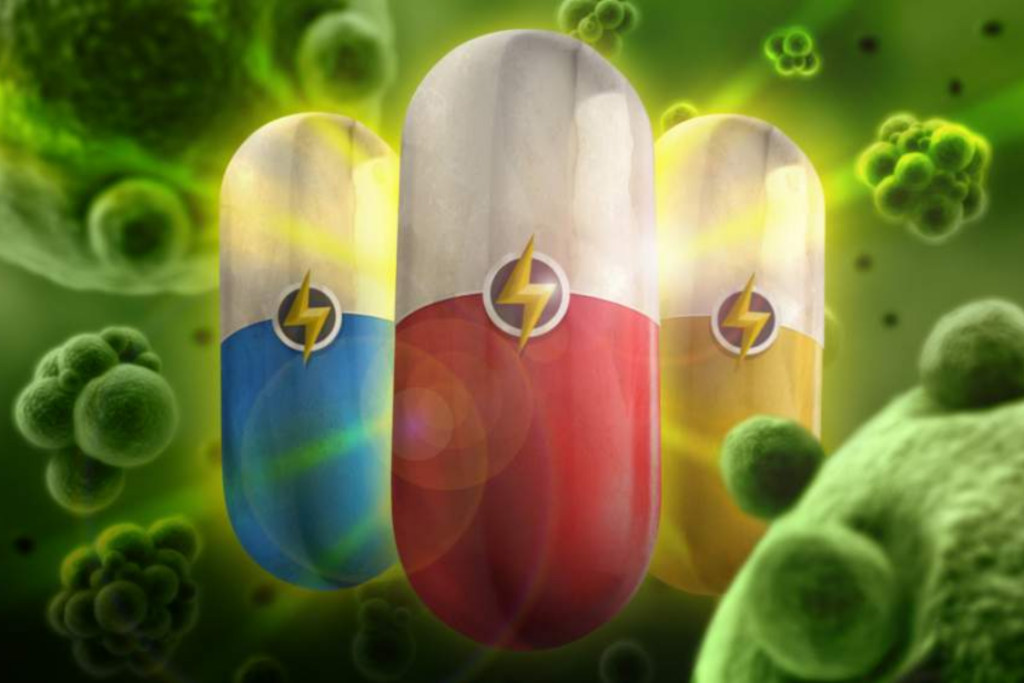
Once Invincible Superbug Squashed by ‘Superteam’ of Antibiotics
The golden age of antibiotics may be drawing to a close. The discovery of E. coli carrying mcr-1 and ndm-5 has left clinicians without an effective means of treatment for the superbug. But, researchers have assembled a team of three antibiotics that, together, are capable of eradicating the deadly bacterium.
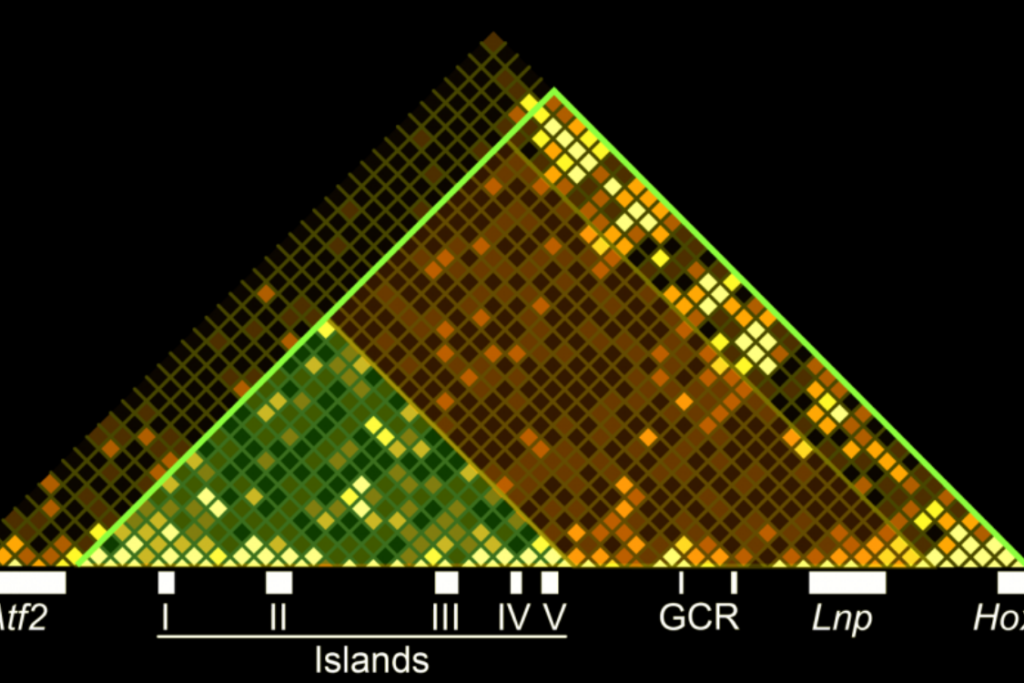
How The Genome Sets its Functional Micro-Architecture
The genes that are involved in the development of the fetus are activated in different tissues and at different times. Their expression is carefully regulated by so-called “enhancer sequences” and requires the DNA molecule to loop around and bring them in close proximity to their target genes.

Geneticists Trace Humble Apple's Exotic Lineage All the Way to the Silk Road
It is a lunchbox staple so ubiquitous as to have become mundane. But the apple we know today is the fruit of an extraordinary journey, researchers have revealed. Scientists studying the genetics of the humble apple have unpicked how the cultivated species emerged as traders travelled back and forth along the Silk Road.
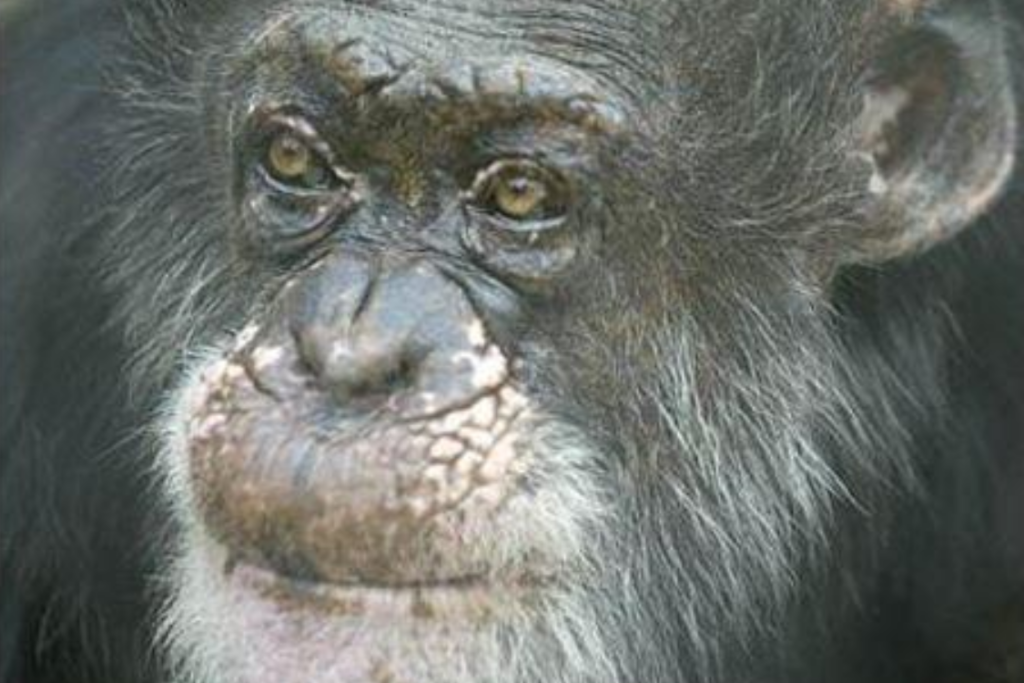
Kent State Researchers Help Find Pathologic Hallmarks of Alzheimer’s Disease in Aged Chimpanzee Brains
A study published in Neurobiology of Aging provides the most extensive evidence of Alzheimer’s disease brain pathology in a primate species to date. Researchers found that the brains of aged chimpanzees, our closest living relatives, show pathology similar to the human Alzheimer’s disease brain.

Restless Development: Bad Sleep May Be Evolutionary Survival Tool, Study Finds
Poor sleep is often regarded as a modern affliction linked to our sedentary lifestyles, electric lighting and smartphones on the bedside table. New research suggests that fitful sleep could be an ancient survival mechanism designed to guard against nocturnal threats. The study tracked the sleep patterns of a modern-day hunter-gatherer tribe.