
Recently in ISG

Recently in ISG

Patrick Allard et al., Published “Exposure to the BPA-Substitute Bisphenol S Causes Unique Alterations of Germline Function”
Concerns about the safety of Bisphenol A have led to its replacement with substitutes now found in a multitude of consumer products. However, several popular BPA-free alternatives share a high degree of structural similarity with BPA. These substitutes may disrupt similar developmental and reproductive pathways.

Erik Gjesfjeld, Christopher Kelty, Michael Alfaro, et al., Published “Competition and Extinction Explain the Evolution of Diversity in American Automobiles”
Here we show a novel Bayesian model for examining technological diversification adopted from palaeontological analysis of occurrence data. We use this framework to estimate the tempo of diversification in American car and truck models produced between 1896 and 2014.

Technique from Biology Helps Explain the Evolution of the American Car
A UCLA-led team of researchers seek to explain the way in which technologies evolve in modern society. Borrowing a technique that biologists might use to study the evolution of plants or animals, the scientists plotted the “births” and “deaths” of every American-made car and truck model from 1896 to 2014.

Emmanuel Didier, Co-edited “Conventions and Quantification – Transdisciplinary Perspectives on Statistics and Classifications”
In the last few decades, the field of “quantification” – namely the “sociology of quantification” – has evolved and it has shown an impressing development. There are many different strands of science contributing research on processes of quantification and the impact of quantification within social contexts.

Michael Alfaro, Awarded the Diversity, Equity and Inclusion Award
Congratulations to Michael Alfaro for the Faculty Student Development DEI Award! The selection of these winners is often difficult as each of the many candidates nominated for these awards have made enormous contributions to encouraging that environment in important and innovative ways.
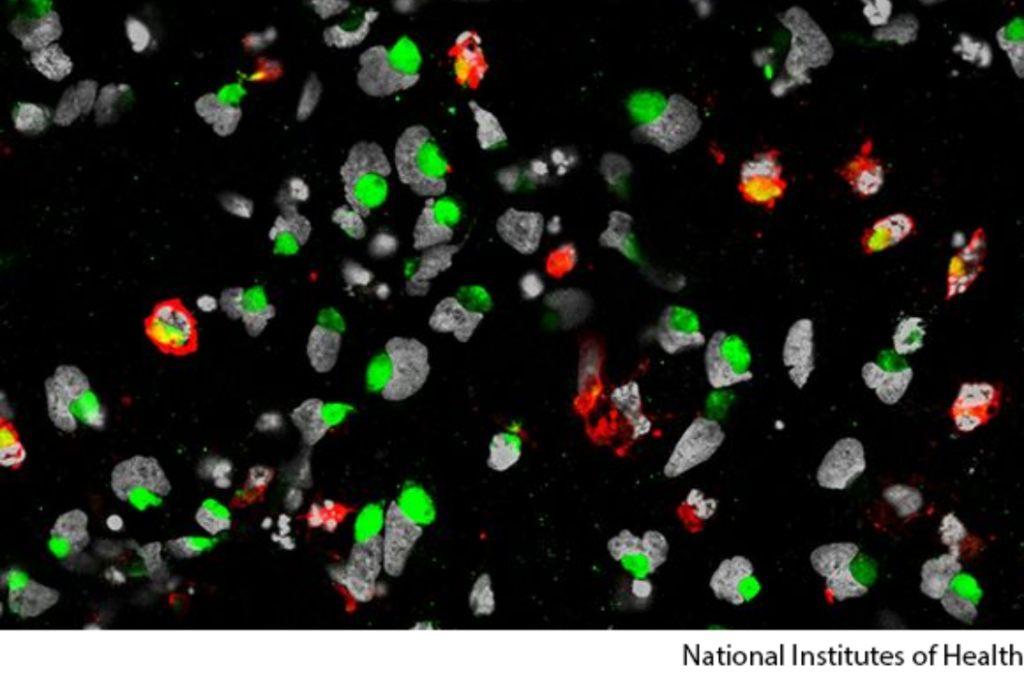
UCLA Scientists Unravel the Genetic Evolution of Zika Virus
A new UCLA study suggests that the Zika virus possesses the ability to mutate rapidly. The team identified substantial DNA changes between the strains, showing a split between the Asian and African lineages, as well as the human and mosquito versions.

Lauren Phinney, Awarded the jane b semel HCI Appreciation and Recognition Award
Congratulations to Lauren Phinney for receiving the jane b semel HCI Appreciation and Recognition Award for 2016! The award was created to recognize UCLA community members who demonstrated their support of the principles of the Healthy Campus Initiative.

Jessica Lynch Alfaro et al., Published “Taxonomic review of the New World tamarins (Primates: Callitrichidae)”
Twelve generic names have been ascribed to the New World tamarins but all are currently placed in just one: Saguinus Hoffmannsegg, 1807. Based on geographical distributions, morphology, and pelage patterns and coloration, they have been divided into six species groups.

Soraya de Chadarevian, Published “The Future Historian: Reflections on the Archives of Contemporary Sciences”
Historians working on recent science work close to where the archives are created or become accessible. Based on this experience, the essay presents a reflection on the archives of contemporary life sciences.

Soraya de Chadarevian, Published “Human Population Studies and the World Health Organization”
This essay draws attention to the role of the WHO in shaping research agendas in the biomedical sciences in the postwar era. It considers in particular the genetic studies of human populations that were pursued under the aegis of the WHO from the late 1950s to 1970s.

Dog Domestication May Have Increased Harmful Genetic Changes, UCLA Biologists Report
The domestication of dogs may have inadvertently caused harmful genetic changes, a UCLA-led study suggests. Domesticating dogs from gray wolves more than 15,000 years ago involved artificial selection and inbreeding, but the effects of these processes on dog genomes have been little-studied.
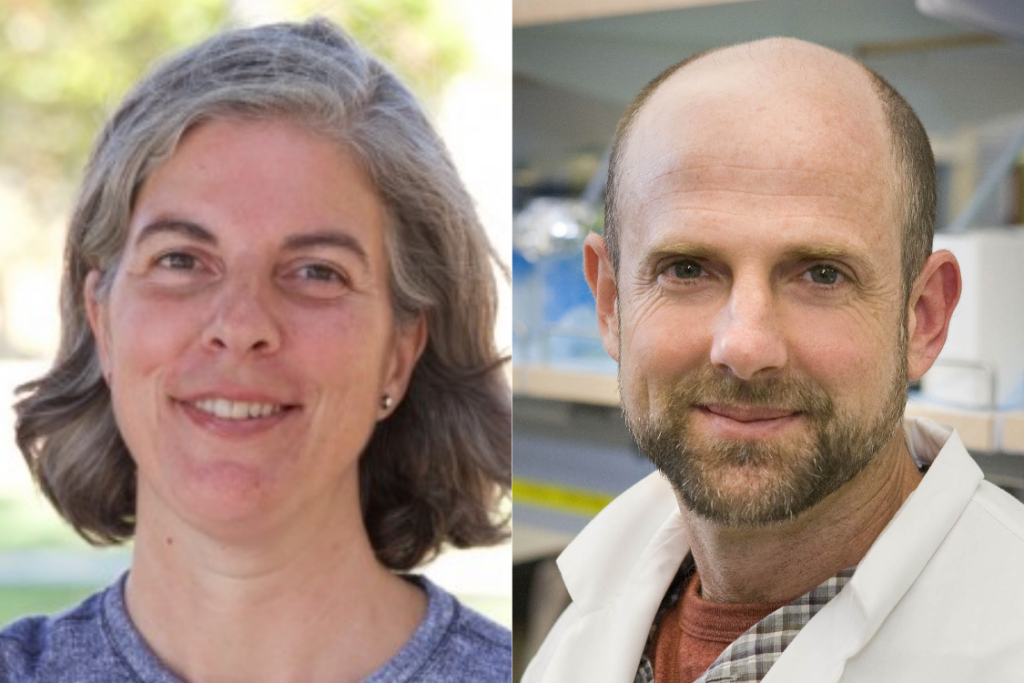
Jessica Lynch Alfaro and Michael Alfaro, Awarded a Grant Through São Paulo Research Foundation (FAPESP)
Congratulations to Jessica Lynch Alfaro and Michael Alfaro, who were awarded a grant through the São Paulo Research Foundation (FAPESP), “Phenotypic plasticity of robust Capuchin monkeys (genus Sapajus): research on the effects of distinct ontogenetic trajectories and context-dependent activation.”