
Recently in ISG

Recently in ISG

Study Finds First Molecular Genetic Evidence of PTSD Heritability
A study from the Psychiatric Genomics Consortium provides the first molecular genetic evidence that genetic influences play a role in the risk of getting PTSD after trauma. The report showed that there is some shared genetic overlap between PTSD and other mental disorders such as schizophrenia.

Scientists Unveil CRISPR-based Diagnostic Platform
A team of scientists has adapted a CRISPR protein that targets RNA (rather than DNA) as a rapid, inexpensive, highly sensitive diagnostic tool with the potential for a transformative effect on research and global public health.

“Smart” Cephalopods Trade Off Genome Evolution for Prolific RNA Editing
Octopus, squid, and cuttlefish are famous for engaging in complex behavior, from unlocking an aquarium tank and escaping to instantaneous skin camouflage to hide from predators. A new study suggests their evolutionary path to neural sophistication includes a novel mechanism: Prolific RNA editing at the expense of evolution in their genomic DNA.
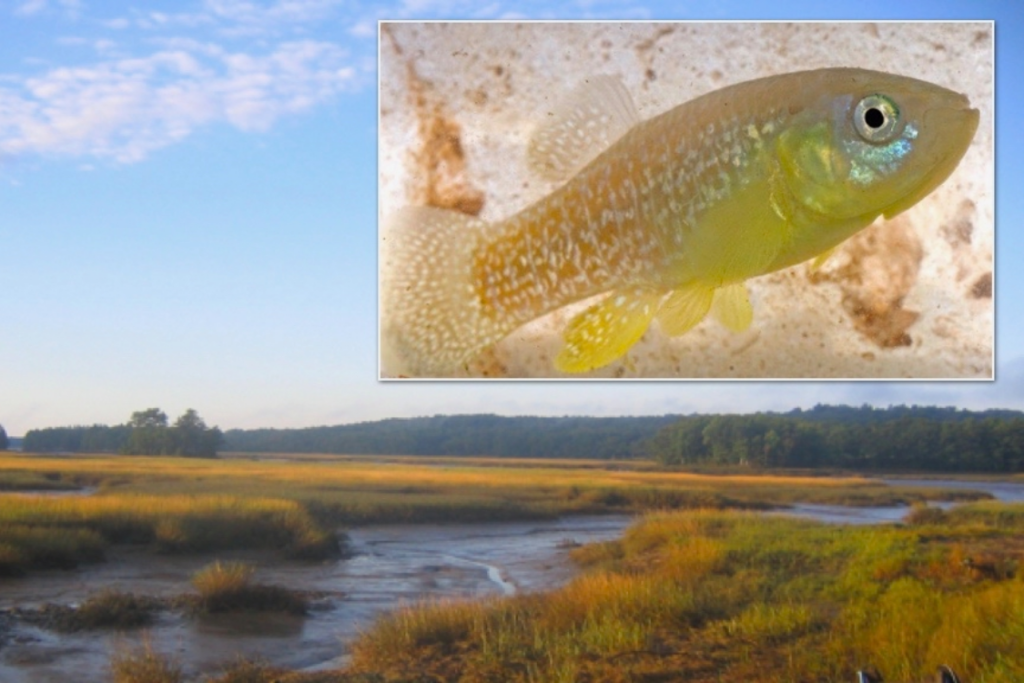
Fish Study Shows Important Genome Interactions in Animal Cells
In a new study, researchers at the University of Miami (UM) Rosenstiel School of Marine and Atmospheric Science examined how the interaction of two genomes in animal cells — the mitochondrial and nuclear genomes — interact to affect adaptation of the Atlantic killifish to different temperatures.
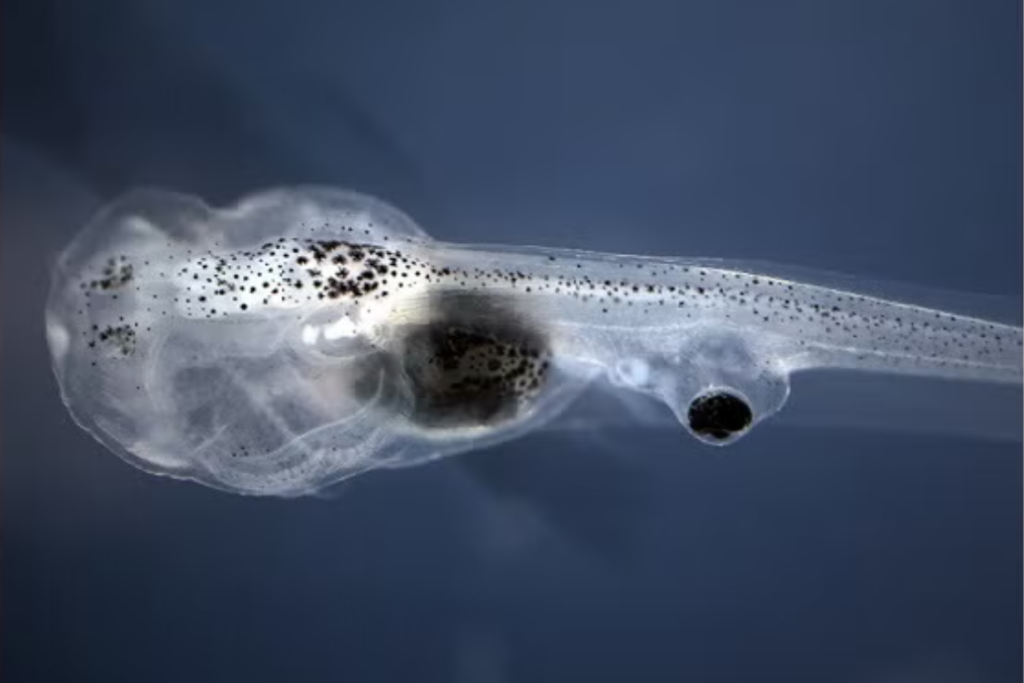
Blind Tadpoles Learn Visually After Researchers Graft Eyes Onto Tails And Treat Them With Neurotransmitter Drugs
Blind tadpoles were able to process visual information from eyes grafted onto their tails after being treated with a small molecule neurotransmitter drug that augmented innervation, integration, and function of the transplanted organs, according to the Allen Discovery Center at Tufts University in npj Regenerative Medicine.
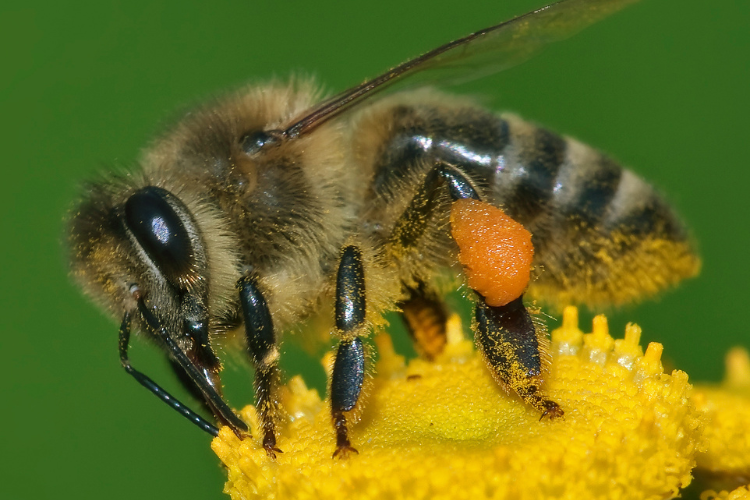
Hair Spacing Keeps Honeybees Clean During Pollination
With honeybee colony health wavering and researchers trying to find technological ways of pollinating plants in the future, a new Georgia Tech study has looked at how the insects do their job and manage to stay clean.
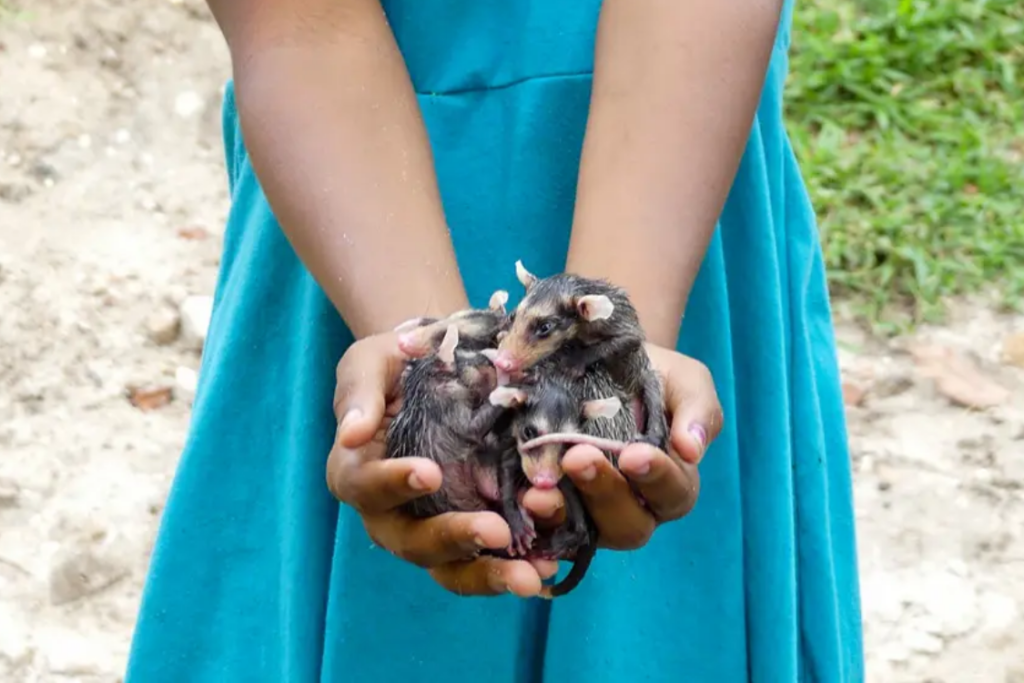
UCLA Study Aims To Improve Interaction Between LA Residents, Wildlife
UCLA researchers are studying how wildlife mammals live in urban Los Angeles to improve the relationship between animals and humans. They will study pathogens animals carry, learning how humans interact with mammals and documenting biodiversity in Los Angeles.

Institute for Society and Genetics, In the News – Fearing Climate Change Databases May Be Threatened in Trump Era, UCLA Scientists Work to Protect Them
Dozens of students, archivists, librarians, professors and other concerned citizens gathered in a UCLA classroom, poring over the Department of Energy website. The goal of Friday’s workshop: To protect publicly available climate data on government websites.

Jessica Lynch Alfaro, Tony Friscia, Jamie Lloyd-Smith, Chris Kelty, and Katherine Prager, Awarded a UCLA Sustainable LA Grand Challenge Grant of $225,000
The UCLA Sustainable LA Grand Challenge awarded its second round of competitive research grants this month, providing $1 million to eight new projects led by UCLA researchers who will study self-driving cars, improve ways to capture and distribute solar power, map wild mammals in urban L.A., and more.
Zika-linked Birth Defects More Extensive Than Previously Thought, UCLA-led Research Finds
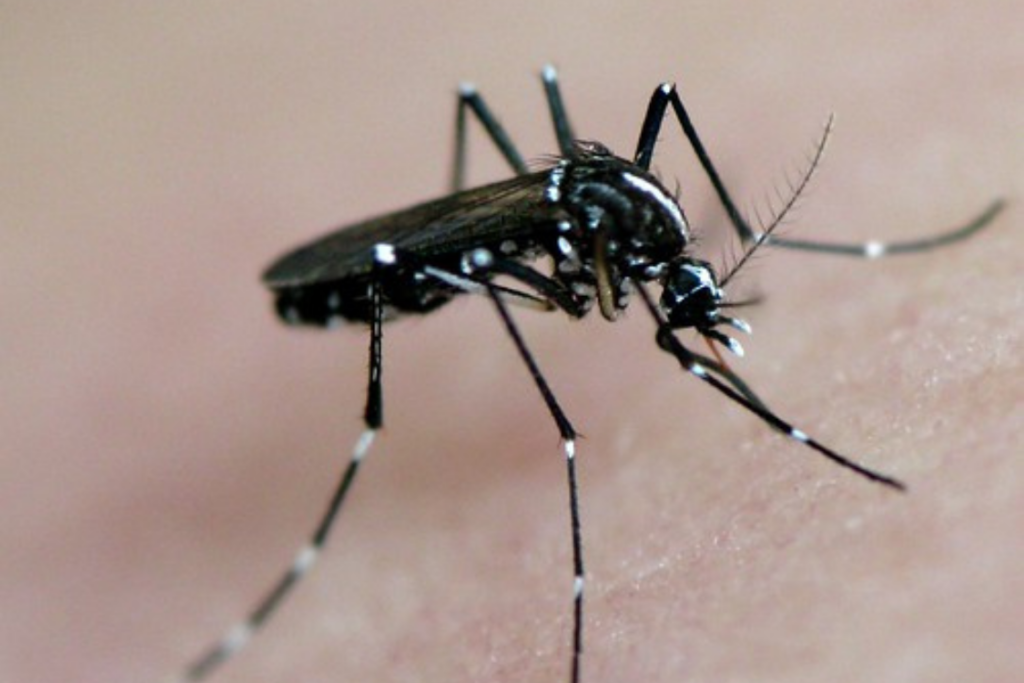
New UCLA-led research finds that Zika-linked abnormalities that occur in human fetuses are more extensive — and severe — than previously thought, with 46 percent of 125 pregnancies among Zika-infected women resulting in birth defects in newborns or ending in fetal death.

Christina Palmer, Janet Sinsheimer, et al., Published “Bilingual approach to online cancer genetics education for Deaf American Sign Language users produces greater knowledge and confidence than English text only: A randomized study”
Deaf American Sign Language-users (ASL) have limited access to cancer genetics information they can readily understand, increasing risk for health disparities. We compared effectiveness of online cancer genetics information presented using a bilingual approach (ASL with English closed captioning) and a monolingual approach (English text).
Three ISG alums, Published Papers in “Resisting Power, Retooling Justice: Promises of Postcolonial Technosciences.”
Three ISG alums, Laura Foster, Ruha Benjamin, and Lindsay Smith, have published papers in the most recent issue of Science, Technology & Human Values, in a special issue entitled “Resisting Power, Retooling Justice: Promises of Postcolonial Technosciences.”