

Recently in ISG
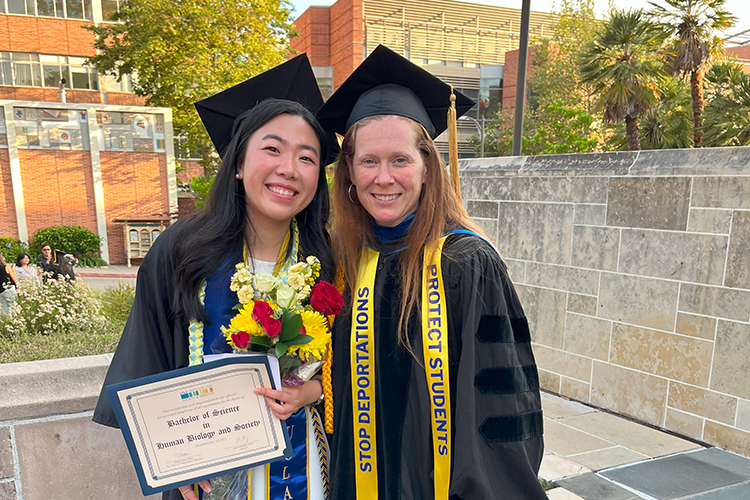
Celebrating Excellence: Anne Gabrielle Go Awarded the 2025 Dean’s Prize for Excellence in Research and Creativity
We would like to recognize the achievement of Anne Gabrielle Go, who was recently awarded the Dean’s Prize for Excellence in Research and Creativity: Humanities, Arts, and Social Sciences.
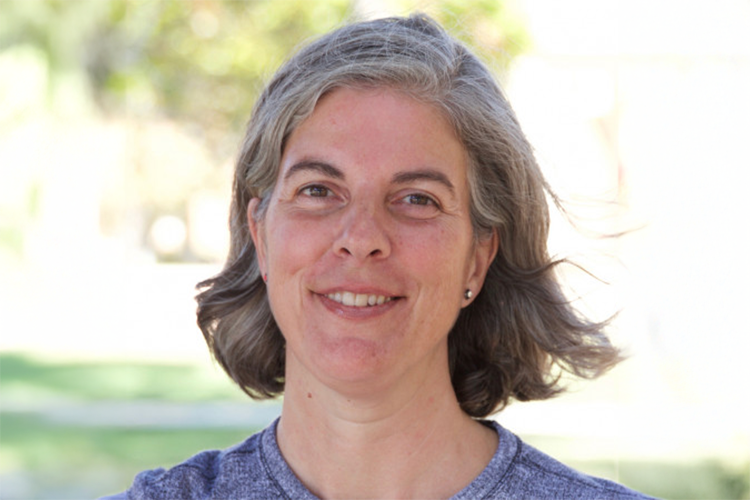
Fulbright U.S. Scholar Award to Professor Jessica W. Lynch
The Institute for Society and Genetics (ISG) is proud to announce that Professor Jessica W. Lynch has been awarded the prestigious Fulbright U.S. Scholar Award for her project, “Integrated Conservation Research to Best Protect the Amazon’s Most Endangered Monkey” .

Fulbright U.S. Scholar Award to Professor Patrick Allard
The Institute for Society and Genetics (ISG) is proud to announce that Professor Patrick Allard has been awarded the prestigious Fulbright U.S. Scholar Award for his project, “Closing the Loopholes: Rethinking Pesticide Policy and Governance”.

Hannah Landecker in the Metabolic Futures Workshop as Keynote Speaker
ISG Faculty, Hannah Landecker, participated last Apr 4 – 5 2025, in the Metabolic Futures workshop, at Stuttgart, Germany. Where she presented the Keynote Lecture Distilled, Emulsified, Suspended: On Viscosity and Time in the Metabolism of Mass Production.

Jessica Lynch Featured on NewScientist Article: Stone Tools Help Monkeys Thrive in Hostile Habitats
ISG faculty, Jessica Lynch, research has been featured on a NewScientist article “Stone tools help monkeys thrive in hostile habitats”.

ISG Faculty Danielle Carr Interviewed on The Dig podcast
ISG faculty Danielle Carr discusses “the history and present state of American unwellness and how that’s been shaped by psychiatry, prescription drugs, neuroscience, popular culture, smartphones and social media.
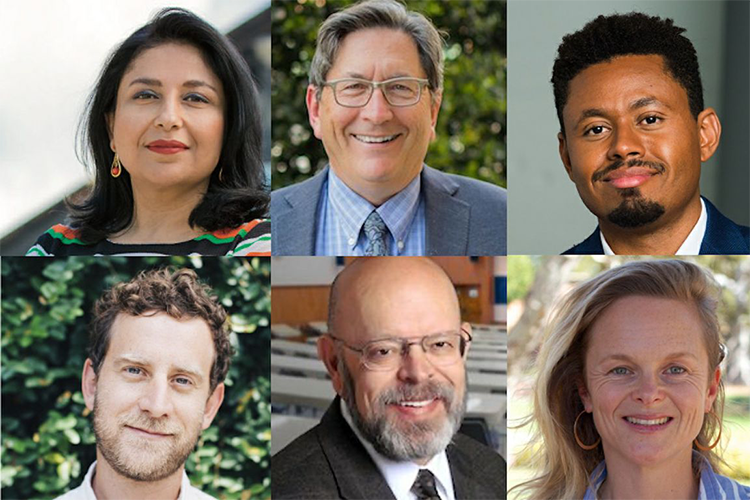
ISG Faculty Nicholas Shapiro and Terence Keel Awarded UCLA’s 2024 Public Impact Research Awards
Terence Keel and Nicholas Shapiro earned UCLA’s 2024 Public Impact Research Awards for groundbreaking work on police custody deaths and environmental injustices in prisons.

Nicholas Shapiro & Bharat Venkat, Featured in the LA Times: California Will Finally Have Indoor Heat Standards for Workplaces — with a Cruel Exception
California’s board approved indoor heat standards protecting millions of workers in hot workplaces, but excluded prisons and jails, leaving incarcerated people vulnerable as climate warms.
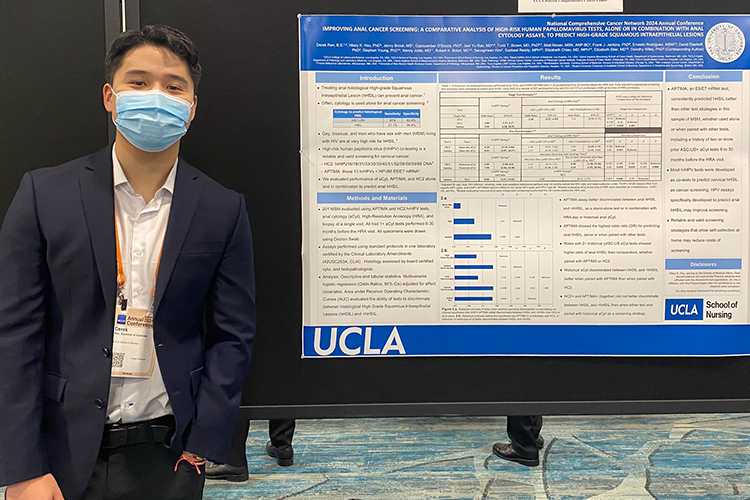
Derek W. Ren
Derek W. Ren, Human Biology and Society B.S., class of 2024 has received a Fulbright U.S. Student Program award for the 2024-2025 academic year from the U.S. Department of State and the Fulbright Foreign Scholarship Board.

Bharat Venkat’s Research Featured in NBC4 Story: “Study Tracks Hot Temperatures Inside LA Food Trucks”
The UCLA Heat Lab, directed by ISG faculty Bharat Venkat, is featured in a story on NBC4 for their research on LA food trucks.

Bharat Venkat’s Book, At the Limits of Cure (2021) co-Awarded this Year’s Edie Turner Book Prize in Ethnographic Writing
Congratulations to ISG Faculty, Bharat Venkat! His book, At the Limits of Cure (2021) was co-awarded the 2023 Edie Turner Book Prize in Ethnographic Writing.

Terence Keel Featured in Washington Post Article: Study of Md. in-Custody Deaths Finds Many Occur in First 10 Days in Jail
The study analyzed 180 in-custody deaths in 10 Maryland detention centers and found that about half of those people died within the first 10 days of incarceration.